
Home Interior Design in London: A Complete Guide to Designing Elegant Living Spaces
WORDS BY YOGITA SAWARTHIA
6/1/202614 min read
2. Why Home Interior Design Matters in London
Table of Contents
Introduction
Why Home Interior Design Matters in London
Understanding London’s Architectural Diversity
The Foundations of Exceptional Home Interior Design
Designing for Lifestyle and Function
Materials, Textures, and Finishes in Modern London Homes
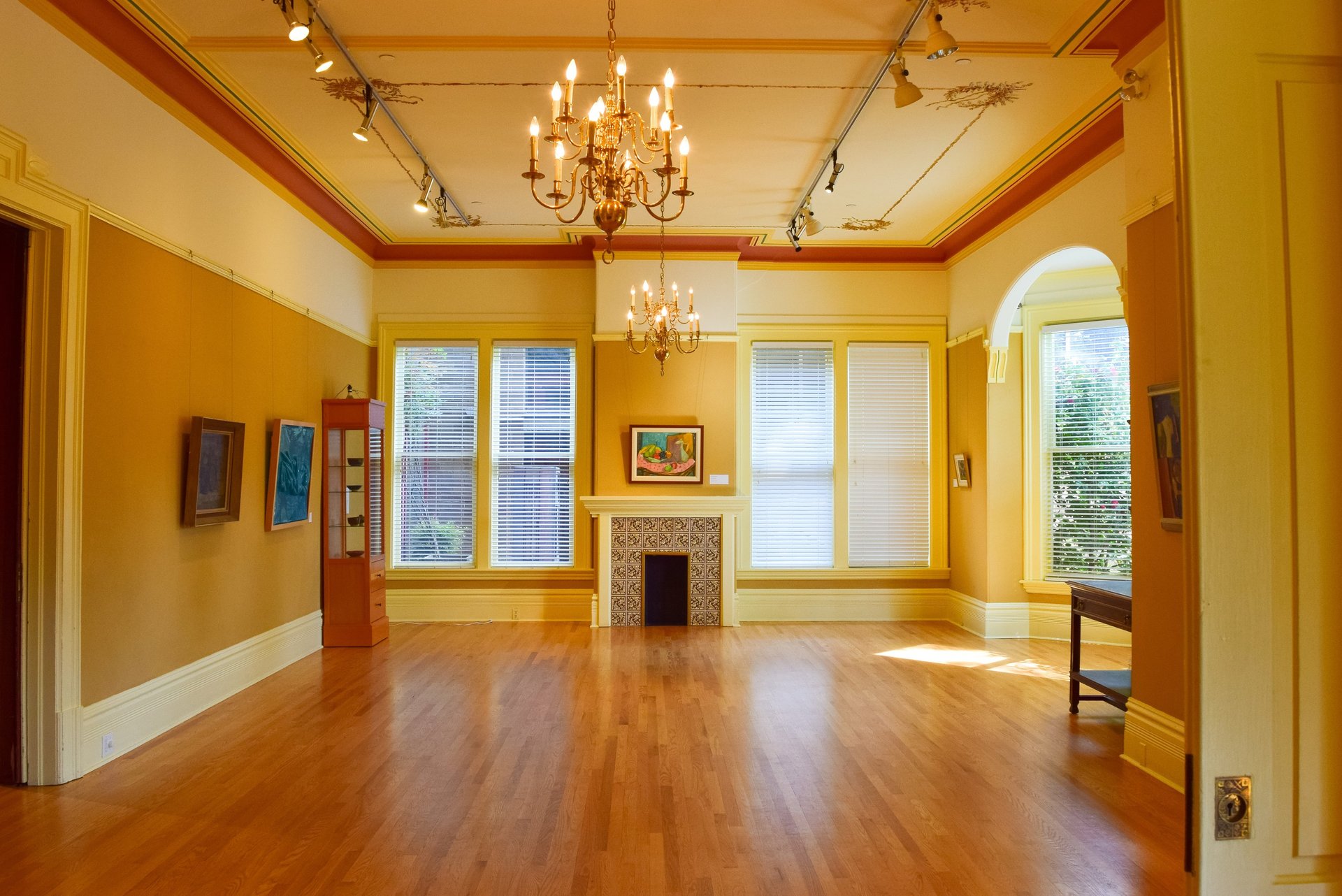
Lighting as a Defining Design Element
Storage and Space Optimisation in London Living
How Location Shapes Home Interior Design in London
Home Interior Design in Chelsea
Home Interior Design in Kensington
Home Interior Design in Hampstead
Home Interior Design in Notting Hill
Choosing the Right Interior Design Approach
The Rise of Online Interior Design
Conclusion
FAQ
5. Designing for Lifestyle and Function
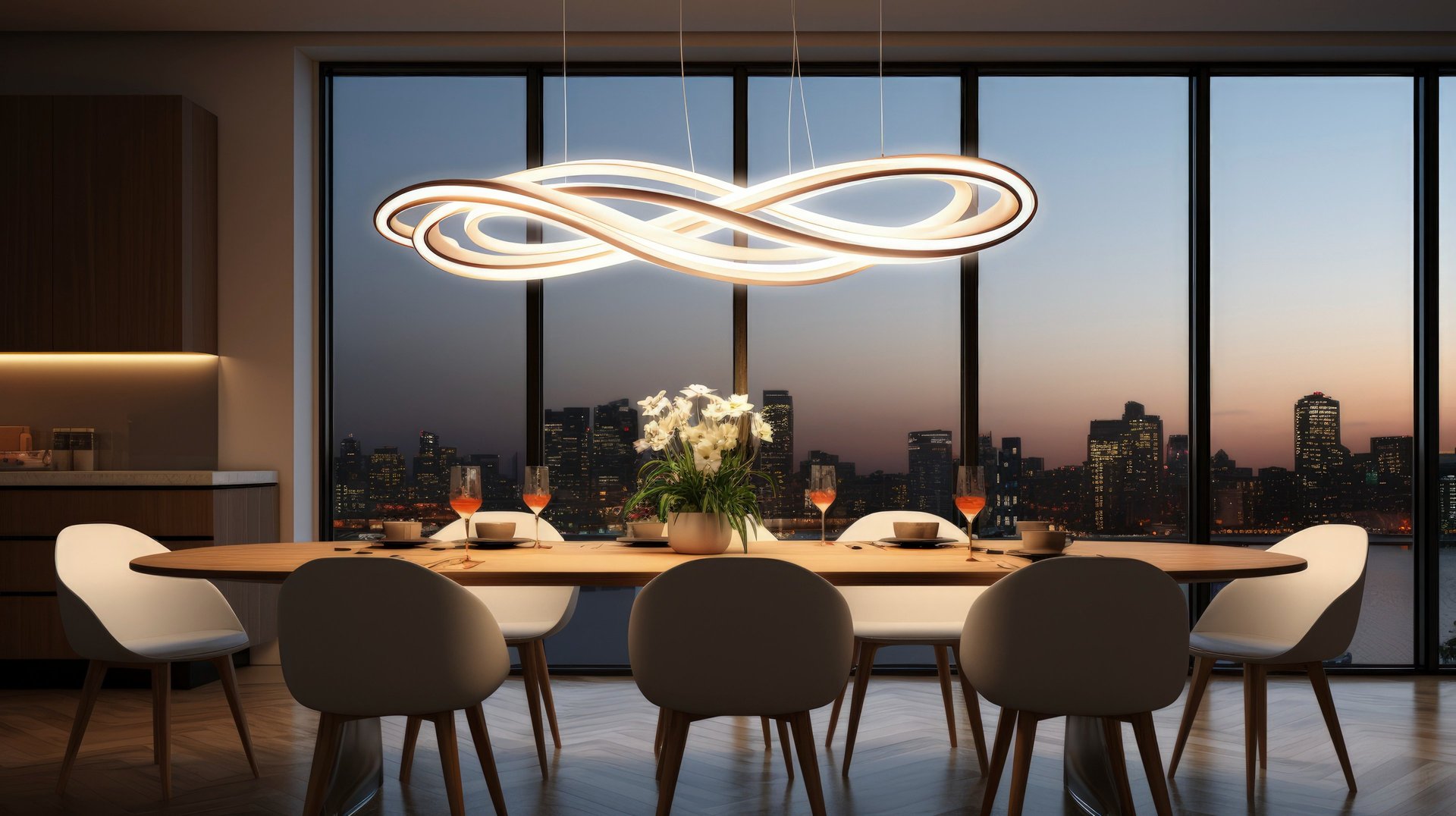
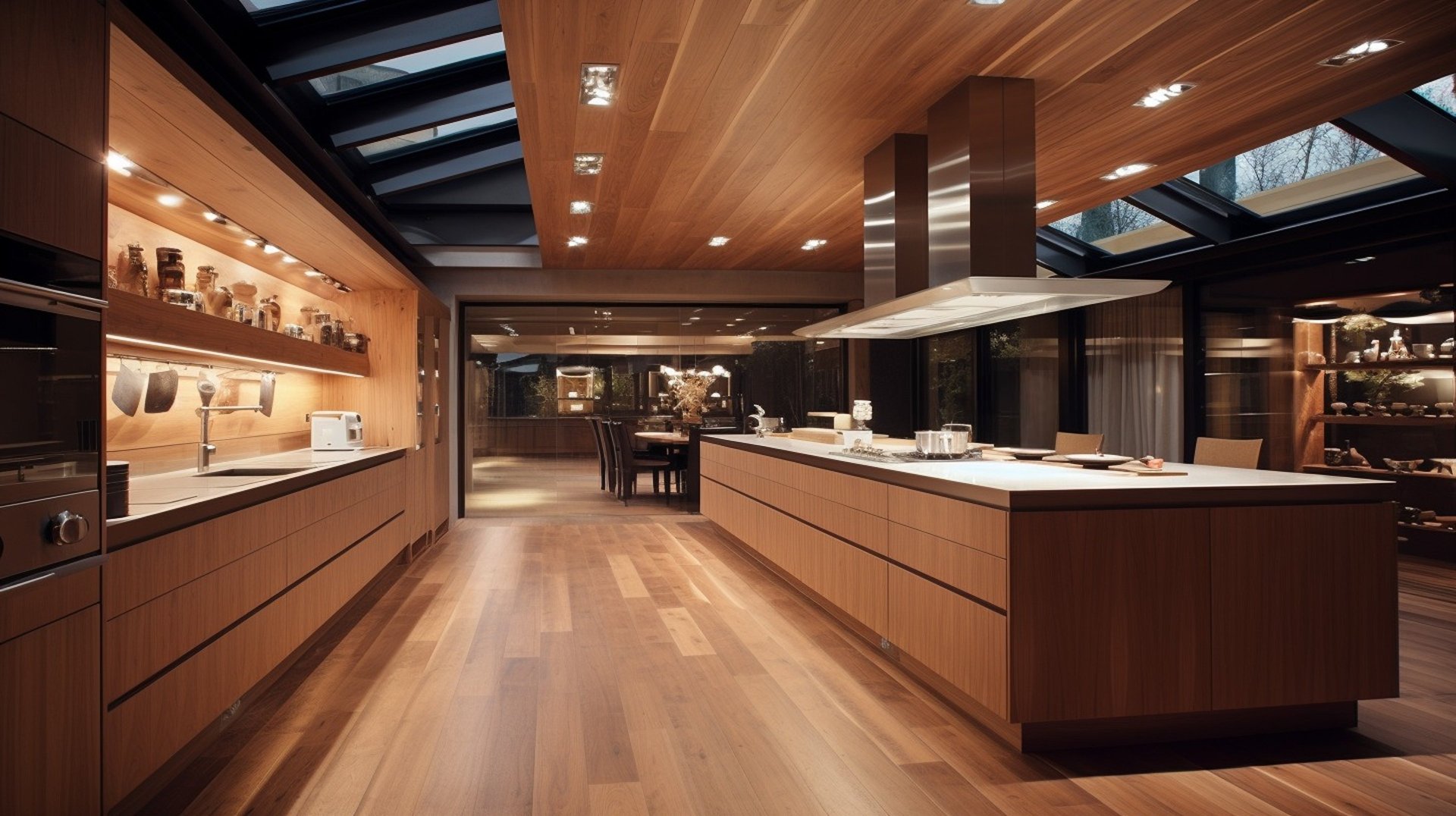
Lighting is one of the most powerful and transformative aspects of home interior design. It has the ability to completely change how a space is perceived - influencing not just visibility, but also mood, scale, and overall atmosphere. A well-lit interior feels more open, welcoming, and functional, while poor lighting can make even the most beautifully designed space feel flat or uncomfortable.
Beyond illumination, lighting helps define how a space is experienced throughout the day, adapting to different needs and activities.
Types of Lighting
• Ambient lighting (general illumination)
This forms the foundation of the lighting scheme, providing overall brightness to a room. It ensures that the space is evenly lit and comfortable to move through, often achieved through ceiling fixtures, recessed lights, or concealed lighting.
• Task lighting (focused for activities)
Task lighting is designed to support specific functions such as reading, cooking, or working. It includes elements like desk lamps, under-cabinet kitchen lighting, or bedside lights, ensuring clarity and reducing strain during focused activities.
• Accent lighting (highlighting features)
Accent lighting adds depth and visual interest by drawing attention to specific elements such as artwork, architectural details, or textured surfaces. It creates contrast and enhances the overall design composition.
The Impact of Layered Lighting
A thoughtful home interior design approach combines all three types of lighting to create a layered effect. This not only improves functionality but also allows homeowners to adjust the mood of a space - from bright and energising during the day to soft and relaxing in the evening.
When executed well, lighting becomes more than a utility; it becomes an integral part of the design, shaping how the home looks and feels at every moment.
Example
In a London living room:
recessed ceiling lights provide ambient light
a floor lamp supports reading
wall lights highlight artwork
Layered lighting allows homeowners to adjust mood and function throughout the day.
In London, space is a premium commodity. Every square metre must be used intentionally.
Thoughtful home interior design allows homeowners to:
maximise usable space
improve circulation and flow
integrate smart storage solutions
enhance natural light
create a sense of calm within busy urban environment
Consider a compact two-bedroom apartment in central London. Without careful planning, the space may feel cluttered and restrictive. However, with strategic design - such as built-in storage, multifunctional furniture, and layered lighting - the same apartment can feel spacious, organised, and inviting.
Beyond functionality, design also impacts financial value. Properties with cohesive interiors often attract stronger buyer interest and command higher resale or rental value.
Key Material Qualities
Modern interiors typically favour materials that are:
• Durable
Surfaces and finishes are chosen to withstand everyday use while maintaining their appearance over time.
• Tactile
Materials that offer a sense of touch - whether smooth, soft, or textured - enhance the sensory experience of a space.
• Timeless
Classic materials ensure longevity, allowing interiors to remain relevant and elegant for years.
Popular Material Choices
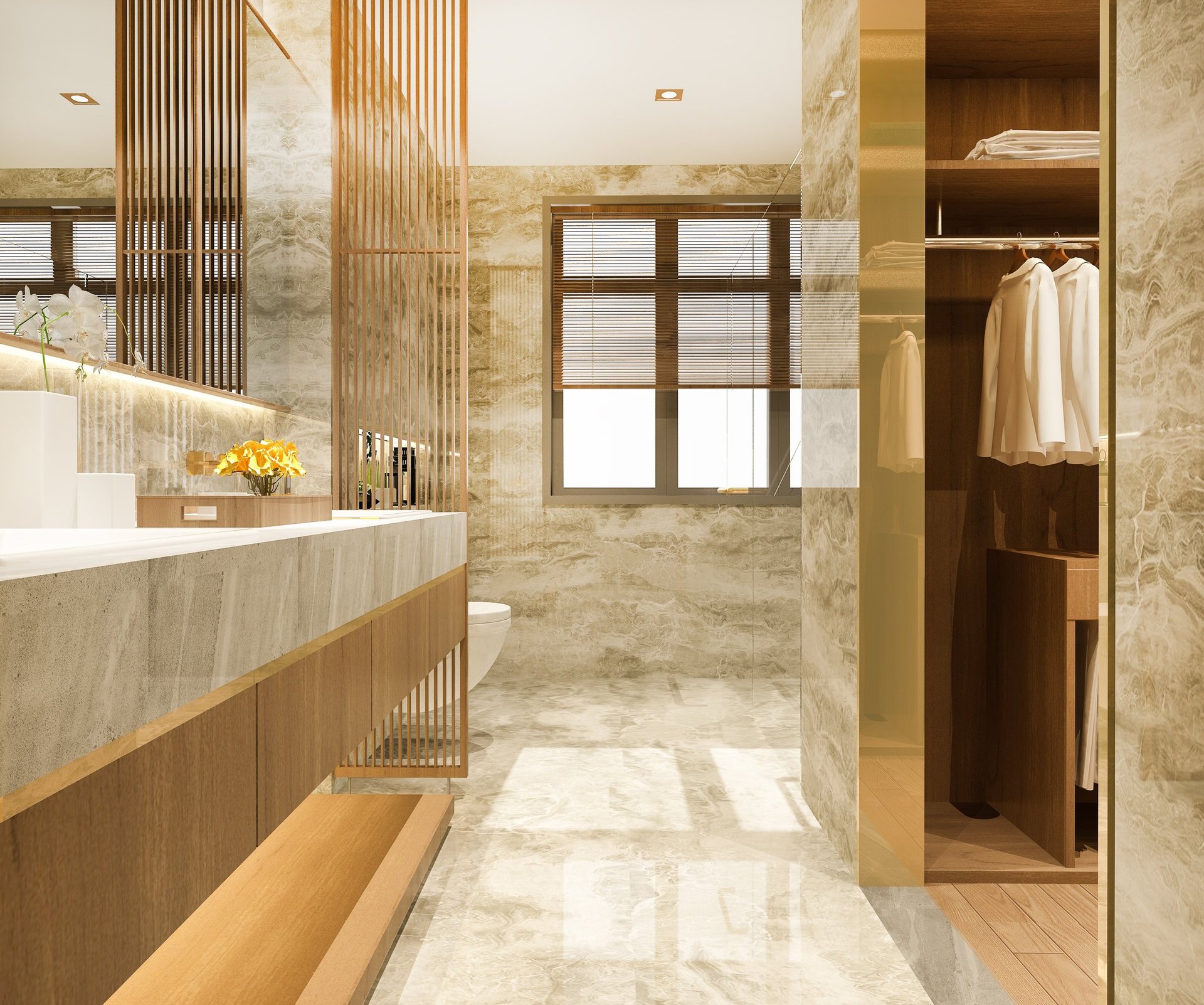
• Marble and quartz surfaces
Often used in kitchens, bathrooms, and feature areas, these materials bring a sense of sophistication and subtle visual detail.
• Natural oak and walnut wood
Wood introduces warmth and balance, grounding the space and complementing both modern and traditional elements.
• Linen and wool textiles
Soft furnishings in natural fabrics add comfort and depth, creating a relaxed yet refined atmosphere.
• Brushed metal finishes
Muted metallic accents - such as brass or bronze - provide understated highlights that enhance the overall palette.
Layering Textures
Texture is essential in adding dimension to interiors. Rather than relying on bold colours or patterns, home interior design often uses texture to create visual interest and richness.
Examples of Texture Pairing
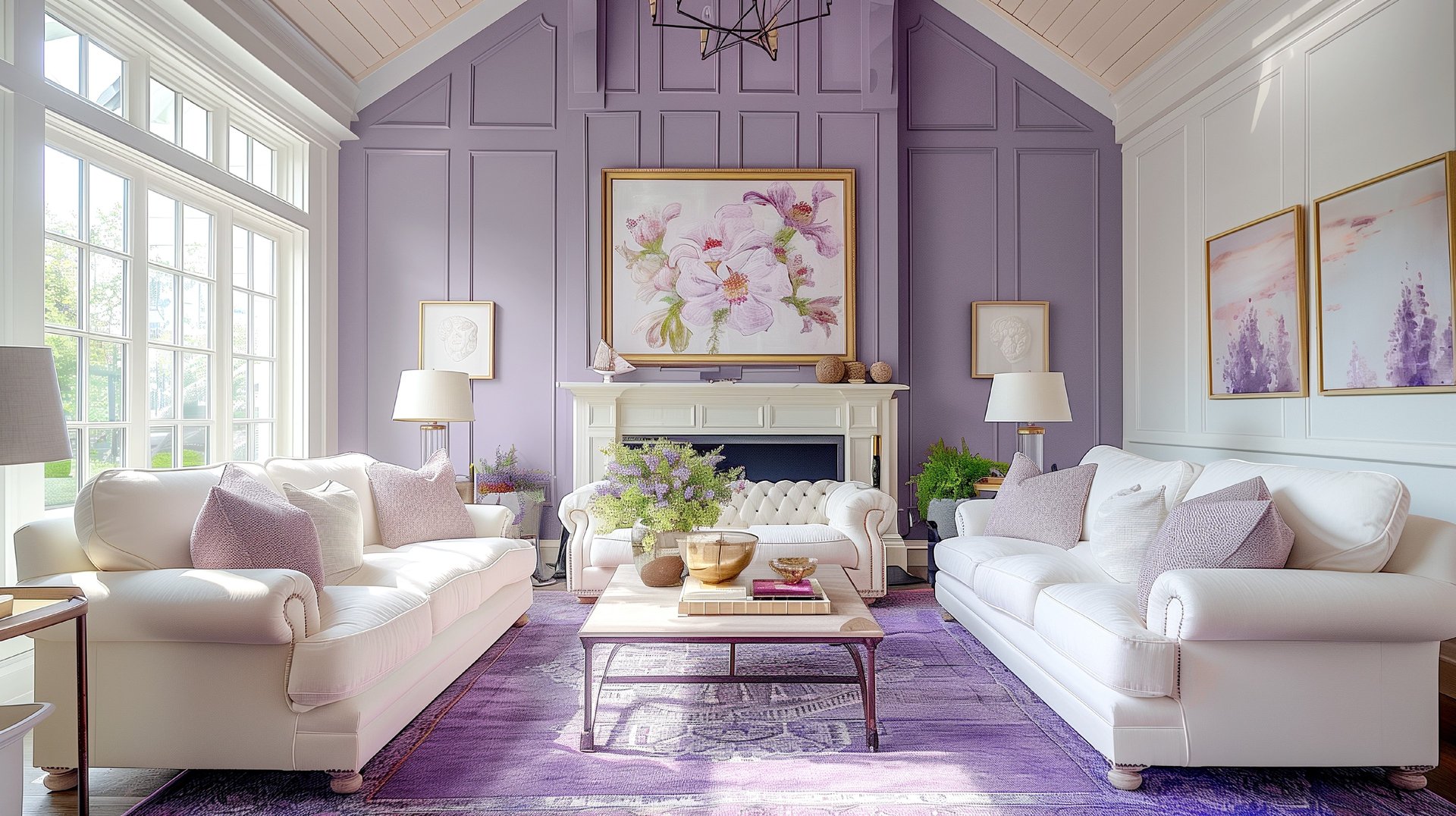
• A linen sofa paired with a wool rug
This combination blends softness with structure, creating a comfortable yet visually layered seating area.
• A marble coffee table against timber flooring
The contrast between smooth stone and warm wood adds depth while maintaining balance.
• Textured plaster walls with soft lighting
Subtle wall finishes become more pronounced when illuminated gently, adding character without overwhelming the space.
The Overall Effect
Thoughtful layering of materials and textures creates interiors that feel rich, balanced, and inviting. By combining different finishes in a controlled and cohesive way, home interior design achieves depth and sophistication without excess, resulting in spaces that are both elegant and comfortable.
7. Lighting as a Defining Design Element
3. Understanding London’s Architectural Diversity
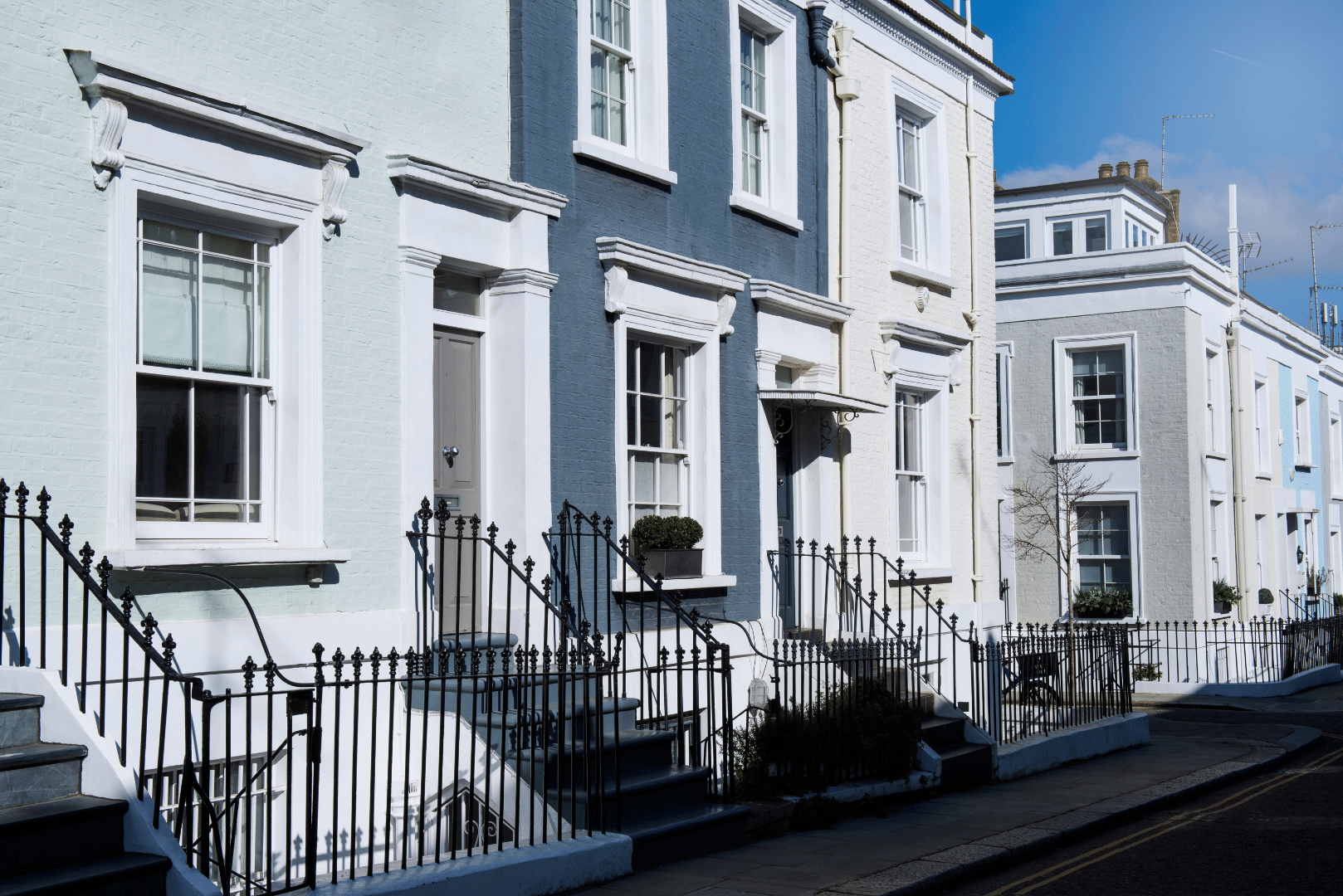
One of the defining characteristics of London is its architectural variety. Each property type presents unique opportunities and challenges for home interior design.
Georgian Homes
Known for symmetry, high ceilings, and large sash windows, Georgian homes provide a strong architectural foundation. Interiors often emphasise:
balanced layouts
classic proportions
refined colour palettes
Victorian and Edwardian Properties
These homes typically feature:
ornate detailing
fireplaces
bay windows
Designing within these spaces requires sensitivity. Modern elements must complement - not overpower - original features.
Contemporary Apartments
Modern developments prioritise efficiency and minimalism. However, they often lack character. Interior design introduces warmth through:
texture
lighting
furniture layering
Each architectural type requires a tailored approach. A one-size-fits-all design strategy rarely works in London.
4. The Foundations of Exceptional Home Interior Design
At its core, successful home interior design is built on a set of foundational principles that shape how a space looks, feels, and functions. These principles ensure that every design decision - from the overall layout to the smallest detail - contributes to a cohesive and well-balanced environment.
Space Planning
The layout of a home determines how it is experienced on a daily basis. Even a large space can feel inefficient or uncomfortable if it is not planned correctly, while a smaller home can feel spacious and functional with the right approach.
Effective space planning considers:
• Movement between rooms
Clear and intuitive pathways allow for smooth circulation, ensuring that spaces feel connected rather than restricted.
• Furniture placement
Positioning furniture thoughtfully helps define zones, improve usability, and avoid clutter or awkward gaps.
• Visual balance
Arranging elements in a way that feels proportionate and harmonious ensures that no area feels too heavy or too empty.
Proportion and Scale
Proportion and scale are essential in creating visual harmony within a space. Furniture and décor must align with the dimensions of the room to achieve balance.
Oversized pieces can overwhelm smaller rooms, making them feel cramped
Undersized furniture can make larger spaces feel sparse or incomplete
Ceiling height, window size, and room width all influence design choices
A well-executed home interior design approach ensures that every element fits naturally within its surroundings.
Cohesion
A home should feel unified, with a consistent design language flowing throughout different spaces. This does not mean every room must look identical, but there should be a sense of continuity.
Cohesion can be achieved through:
a consistent colour palette
repetition of materials or finishes
complementary furniture styles
aligned design themes
This creates a seamless experience as one moves from room to room.
Balance
Balance is the underlying principle that ties all elements together. It involves distributing visual weight evenly across a space to create a sense of stability and harmony.
Key aspects of balance include:
Colour - ensuring tones are evenly distributed
Texture - combining different materials without overwhelming the space
Shape - mixing forms to create visual interest
Light - balancing natural and artificial lighting
The Bigger Picture
These foundational principles guide every aspect of home interior design, from initial planning to final styling. When applied thoughtfully, they ensure that interiors are not only visually appealing but also practical, comfortable, and timeless.
Every home is a reflection of the people who live in it. Beyond aesthetics, home interior design must respond to individual lifestyles, habits, and daily routines. A well-designed space is not just visually appealing - it supports how people live, work, relax, and interact within their environment.
A family with young children, for example, will prioritise safety, durability, and storage, while a professional couple or single homeowner may focus more on flexibility, entertaining, or work-from-home functionality. This is why a personalised approach to design is essential.
Adapting Design to Lifestyle
Effective home interior design considers:
• Daily routines
Understanding how a homeowner moves through their day helps shape layout decisions, ensuring spaces feel intuitive and efficient.
• Work-from-home requirements
With remote work becoming more common, dedicated or flexible workspaces are essential for productivity and focus.
• Entertaining habits
For those who frequently host, open layouts and social seating arrangements become a priority.
• Storage needs
Different lifestyles require varying levels of storage, from family essentials to minimalist living.
• Privacy considerations
Zoning and layout planning help create a balance between shared and private spaces.
Practical Examples
A homeowner who frequently hosts guests may prioritise:
• Open-plan living areas
Encouraging interaction and creating a seamless flow between spaces.
• Flexible seating arrangements
Allowing for both intimate gatherings and larger social settings.
• Statement dining spaces
Serving as a focal point for hosting and shared experiences.
Meanwhile, someone working remotely may require:
• A dedicated home office
A defined workspace that supports productivity without disrupting other areas of the home.
• Acoustic considerations
Soundproofing or strategic placement to minimise distractions.
• Ergonomic furniture
Ensuring comfort and long-term usability during extended work hours.
The Key to Successful Design
Design is most effective when it aligns with real life rather than idealised visuals. Thoughtful home interior design ensures that spaces are not only beautiful but also functional, adaptable, and deeply connected to the needs of the people who use them every day.
6. Materials, Textures, and Finishes in Modern London Homes
Material selection plays a defining role in shaping the overall character of a home. In contemporary London interiors, home interior design emphasises materials that are not only visually appealing but also practical and enduring. The focus is on creating spaces that feel refined, tactile, and timeless rather than overly decorative or trend-driven.
1. Introduction
London is a city defined by contrast. Historic townhouses stand alongside contemporary glass-fronted apartments, and centuries-old architecture coexists with modern urban living. Within this landscape, home interior design becomes more than a visual exercise - it becomes a way of shaping how people live within complex and often constrained spaces.
A well-designed home in London must balance aesthetics, functionality, and architectural sensitivity. It must respond to limited square footage, natural light variations, and evolving lifestyle needs.
Today, homeowners are increasingly seeking design solutions that are not only elegant but also practical and adaptable. Design studios such as Evara are responding to this shift by offering both traditional and online interior design services, making professional guidance more accessible across the city.
8. Storage and Space Optimisation in London Living
Storage is a critical component of London interiors, where space is often limited and every square metre must be used efficiently. Without well-planned storage, even the most visually appealing spaces can quickly feel cluttered and disorganised. This is why home interior design places strong emphasis on integrating storage in a way that is both practical and visually seamless.
Rather than treating storage as an afterthought, it is incorporated into the design from the beginning, ensuring that functionality enhances - rather than disrupts - the overall aesthetic.
Smart Storage Solutions
• Built-in wardrobes
Custom wardrobes maximise available space, especially in bedrooms. Designed to fit the exact dimensions of a room, they provide ample storage while maintaining a clean, streamlined look.
• Under-bed storage
An often-underutilised area, space beneath the bed can be transformed into hidden storage through drawers or lift-up mechanisms, ideal for seasonal items or extra bedding.
• Concealed cabinetry
Hidden storage solutions keep everyday items out of sight, preserving a minimalist and uncluttered appearance. These can include flush cabinets, panelled doors, or integrated units.
• Multifunctional furniture
Furniture that serves more than one purpose - such as storage ottomans, beds with drawers, or extendable tables - helps optimise space without adding visual bulk.
The Design Advantage
Effective home interior design ensures that storage is not just functional, but also cohesive with the overall space. By blending storage into the structure and style of the home, interiors feel more organised, spacious, and comfortable - allowing design and practicality to work seamlessly together.
Example
In a small apartment:
a window seat can double as storage
a bed frame may include hidden drawers
shelving can extend vertically to maximise wall space
An effective home interior design strategy ensures that storage is integrated seamlessly into the overall aesthetic.
9. How Location Shapes Home Interior Design in London
London is a city of distinct neighbourhoods, each with its own character, history, and architectural language. These identities play a significant role in shaping home interior design, influencing everything from material choices to layout and overall aesthetic direction.
Rather than applying a uniform style across the city, successful design responds to the context of its location, ensuring that interiors feel authentic and well-suited to their surroundings.
Key Neighbourhood Influences
• Chelsea
Known for its refined elegance and artistic heritage, Chelsea interiors often focus on understated luxury, neutral palettes, and carefully curated detailing.
• Kensington
Defined by grandeur and scale, Kensington homes favour sophisticated layouts, statement lighting, and a balance between traditional architecture and modern elements.
• Hampstead
With its greenery and village-like atmosphere, Hampstead interiors lean towards natural materials, relaxed layouts, and a softer, more organic design language.
• Notting Hill
Vibrant and eclectic, Notting Hill embraces creativity, often incorporating bold colours, unique décor, and a more expressive design approach.
Why This Matters
Understanding these neighbourhood nuances allows designers to create interiors that feel contextually appropriate rather than out of place. A well-executed home interior design approach considers not just the property itself, but also its surroundings, ensuring a cohesive relationship between the home and its environment.
This sensitivity to location ultimately results in spaces that feel more authentic, intentional, and aligned with the lifestyle of those who live there.
10. Home Interior Design in Chelsea
Chelsea is synonymous with understated luxury.
Homes in this area often feature:
elegant townhouses
curated interiors
art-focused design
Design approaches in Chelsea typically include:
neutral colour palettes
bespoke joinery
refined detailing
For a deeper exploration, explore:
Home Interior Design in Chelsea: Elegant Living in One of London’s Most Prestigious Neighbourhoods.
11. Home Interior Design in Kensington
Kensington interiors reflect grandeur and sophistication.
Key design considerations include:
highlighting ceiling height
preserving architectural features
integrating modern elements subtly
Large rooms allow for:
statement lighting
layered seating
sculptural furniture
Explore more in:
Designing Sophisticated Homes in Kensington: A Home Interior Design Perspective.
12. Home Interior Design in Hampstead
What is home interior design?
Home interior design involves planning and styling indoor spaces to improve functionality, aesthetics, and comfort.
How much does interior design cost in London?
Costs vary depending on project size, scope, and service type. Online services are often more flexible in pricing.
Can small homes benefit from interior design?
Yes. Smaller spaces often benefit the most from professional planning and storage solutions.
What is the difference between interior design and decoration?
Interior design focuses on layout, functionality, and structure, while decoration focuses on aesthetics.
How long does a project take?
Timelines range from a few weeks to several months depending on complexity.
Is online interior design effective?
Yes. It provides structured guidance, visualisation, and sourcing without requiring in-person meetings.
Connect with us on WhatsApp for a free consultation.
13. Home Interior Design in Notting Hill
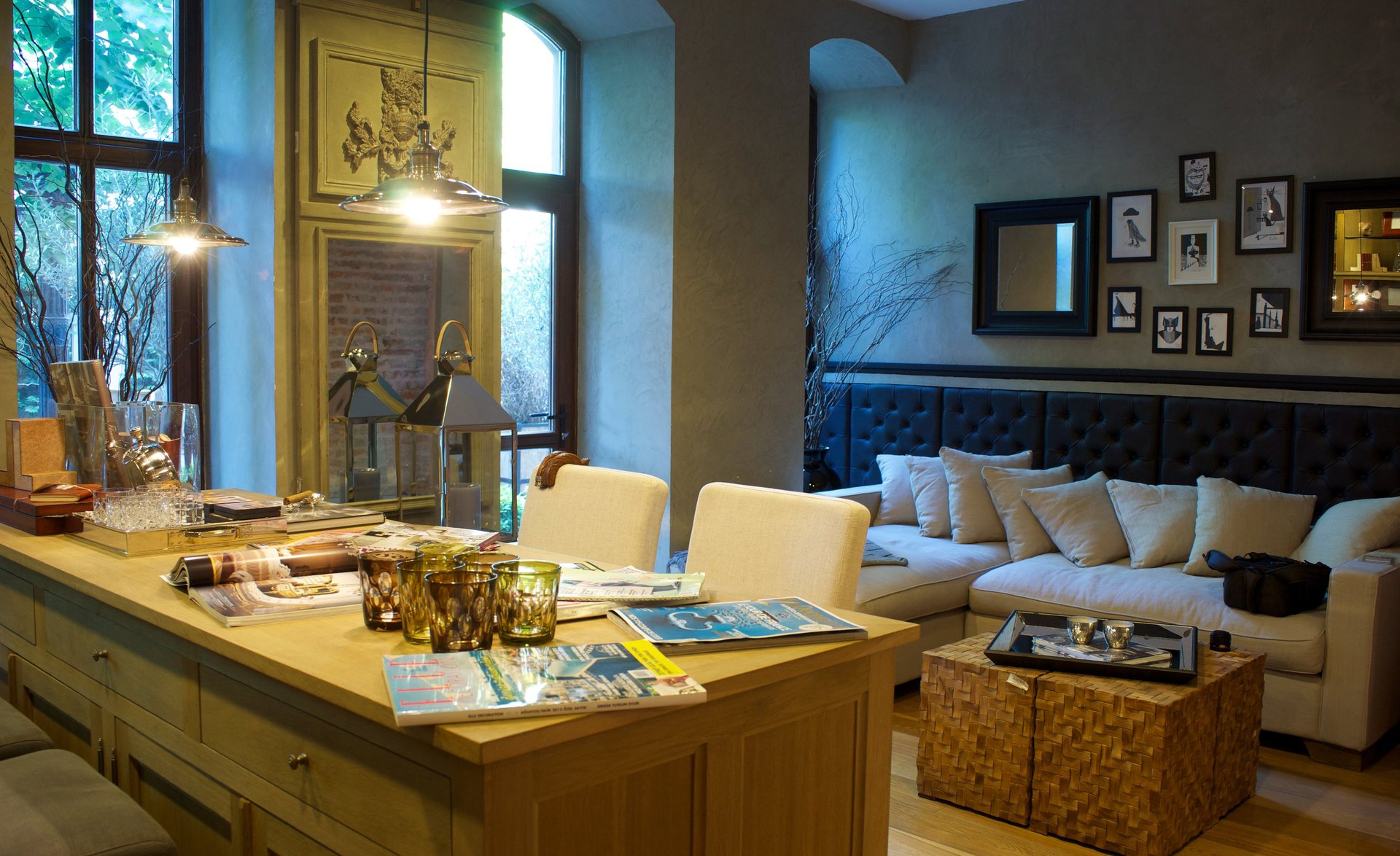
Hampstead offers a more relaxed and nature-inspired atmosphere.
Interiors often feature:
natural materials
earthy tones
open layouts
Design emphasises:
connection to outdoor spaces
warmth and comfort
informal elegance
Learn more in:
Modern Home Interior Design in Hampstead: Blending Nature with Contemporary Living.
14. Choosing the Right Interior Design Approach
Notting Hill is known for creativity and individuality.
Homes here often incorporate:
bold colour choices
eclectic décor
artistic expression
Design allows for more experimentation while maintaining balance.
Explore :
Home Interior Design in Notting Hill: Creating Characterful and Contemporary London Homes
15. The Rise of Online Interior Design
Homeowners today have more flexibility than ever when approaching home interior design. Depending on the scale of the project, timeline, and level of involvement required, different design approaches can be more suitable. Understanding these options helps in selecting a method that aligns with both practical needs and design expectations.
Full-Service Design
Full-service interior design offers a comprehensive, end-to-end solution. It is typically best suited for projects that require a high level of coordination, planning, and execution.
Best suited for:
• Large renovations
Projects involving complete transformations of a home, where multiple spaces are redesigned simultaneously.
• Structural changes
When layouts are being altered - such as removing walls, reconfiguring rooms, or redesigning entire floors - professional oversight is essential.
• High-end projects
Luxury homes that require bespoke elements, custom furniture, and detailed execution benefit from a full-service approach.
This method ensures consistency, precision, and seamless management from concept to completion.
Online Interior Design
Online interior design has emerged as a flexible and efficient alternative, particularly for modern lifestyles. It allows homeowners to access professional design expertise without the need for constant on-site interaction.
Ideal for:
• Room-specific updates
Perfect for redesigning individual spaces such as living rooms, bedrooms, or home offices without undertaking a full renovation.
• Remote clients
Homeowners who may not be located in the same city or prefer virtual collaboration can still achieve high-quality design outcomes.
• Faster project timelines
With a more streamlined process, online design often allows for quicker turnaround and implementation.
Studios like Evara offer online interior design services, enabling clients to benefit from structured design plans, visual clarity, and curated recommendations - all without geographical limitations.
Finding the Right Fit
Choosing between full-service and online solutions depends on the scope and complexity of the project. A well-considered home interior design approach ensures that the chosen method not only delivers aesthetic results but also supports a smooth and efficient design experience.
16. Conclusion
The Rise of Online Interior Design
Technology has significantly transformed how design services are delivered, making home interior design more accessible, efficient, and adaptable to modern lifestyles. Traditional processes that once required frequent in-person meetings are now complemented - and often replaced - by digital tools that streamline collaboration and decision-making.
Online interior design has emerged as a practical solution, particularly for urban environments like London, where time and convenience are key considerations.
What Online Interior Design Offers
• Virtual consultations
Design discussions can take place remotely, allowing homeowners to connect with professionals from anywhere without the need for on-site visits.
• Digital mood boards
Curated visual concepts help define the overall aesthetic, combining colours, materials, and styles into a clear design direction.
• 3D visualisations
Detailed renders provide a realistic preview of the space, helping clients understand layouts, proportions, and finishes before execution begins.
• Curated shopping lists
Carefully selected furniture, lighting, and décor items simplify the sourcing process, ensuring consistency with the design vision.
Benefits for Homeowners
• Save time
Eliminating the need for frequent site meetings allows homeowners to engage with the design process more efficiently.
• Access expertise remotely
Clients are no longer limited by location and can work with experienced designers regardless of where they are based.
• Maintain flexibility
Projects can be implemented in phases, giving homeowners control over timelines and budgets.
Learn how we
A Modern Design Approach
For many London residents, this model aligns perfectly with fast-paced urban living. It allows for a structured yet flexible approach to home interior design, combining professional guidance with the convenience of digital access.
As technology continues to evolve, online interior design is becoming an integral part of how modern homes are imagined and realised - offering a balance between creativity, efficiency, and accessibility.
17. FAQ
Designing a home in London is both a challenge and an opportunity. The city’s diverse architecture, varying spatial constraints, and fast-paced lifestyle demand a thoughtful and well-structured approach. At the same time, these factors create the perfect canvas for creating interiors that are both distinctive and highly functional.
Successful home interior design is built on balance - bringing together:
• Architectural integrity
Respecting and enhancing the original character of the property, whether it is a period townhouse or a contemporary apartment.
• Functional efficiency
Ensuring that layouts, storage, and spatial planning support everyday living in a practical and intuitive way.
• Aesthetic refinement
Creating interiors that feel cohesive, elegant, and timeless, without relying on short-lived trends.
Whether working with a historic home rich in detail or a modern space defined by minimalism, thoughtful design goes beyond appearance. It shapes how a space is experienced - influencing comfort, movement, and overall quality of life.
Professional guidance plays a crucial role in achieving this balance. By carefully considering every element - from layout and materials to lighting and finishing details - home interior design ensures that all components work together seamlessly, resulting in a home that feels complete, intentional, and deeply liveable.
Experience seamless design from concept to completion.
Resources
Need Help?

Career
© 2026. All rights reserved.