
Modern Home Interior Design in Hampstead: Blending Nature with Contemporary Living
WORDS BY YOGITA SAWARTHIA
6/13/20267 min read
Open-Plan Living
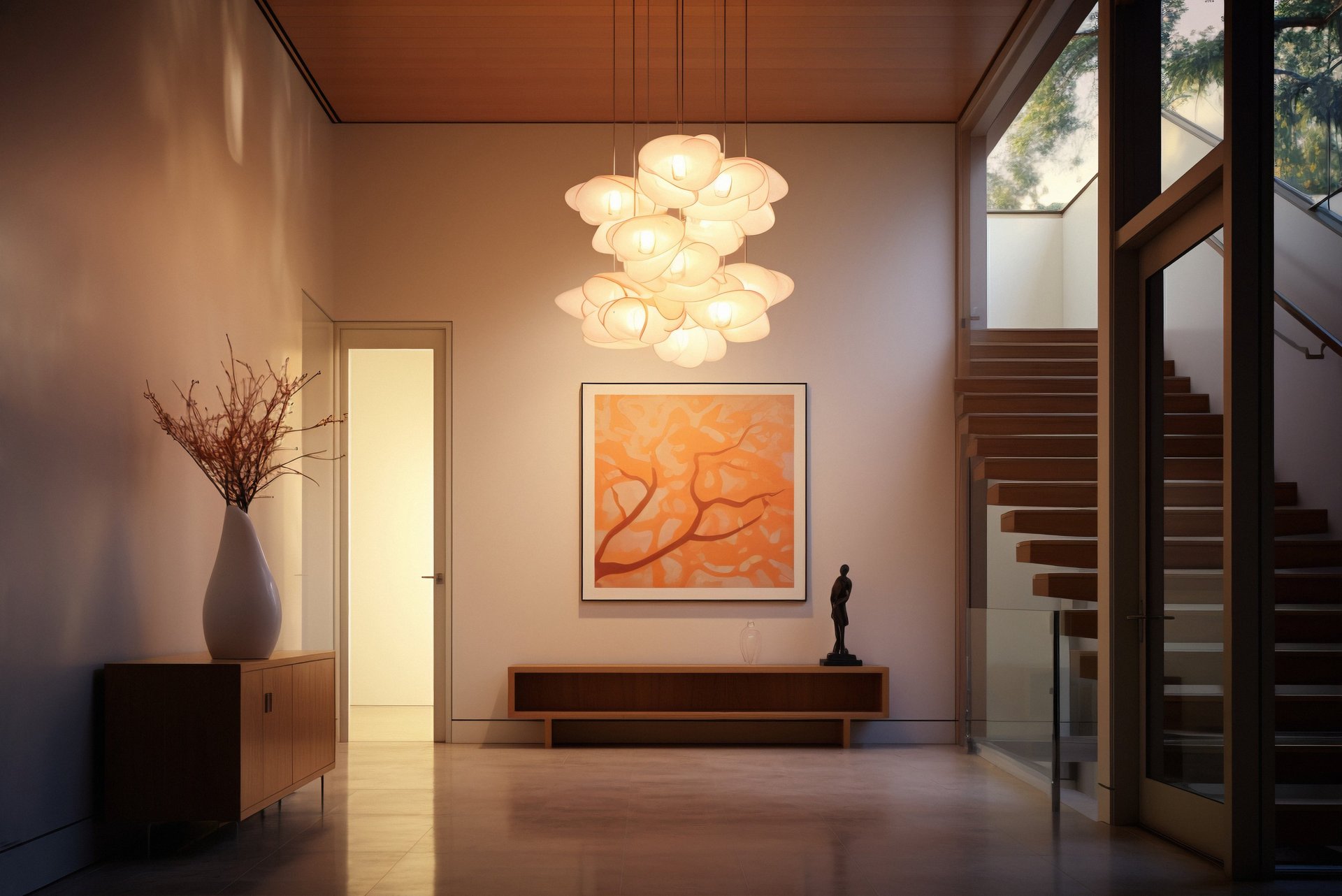
Hampstead interiors reflect a quieter, more grounded approach to home interior design, where the emphasis shifts from formality to comfort and connection with nature. Surrounded by greenery and open spaces, homes in this area often embrace natural light, soft textures, and organic materials such as wood, stone, and linen. The design language here is relaxed yet refined, creating spaces that feel warm, breathable, and effortlessly elegant - perfectly suited to a lifestyle that values calm, privacy, and understated luxury.
This atmosphere directly influences home interior design, creating spaces that prioritise comfort, light, and connection to nature.
Lighting for Comfort
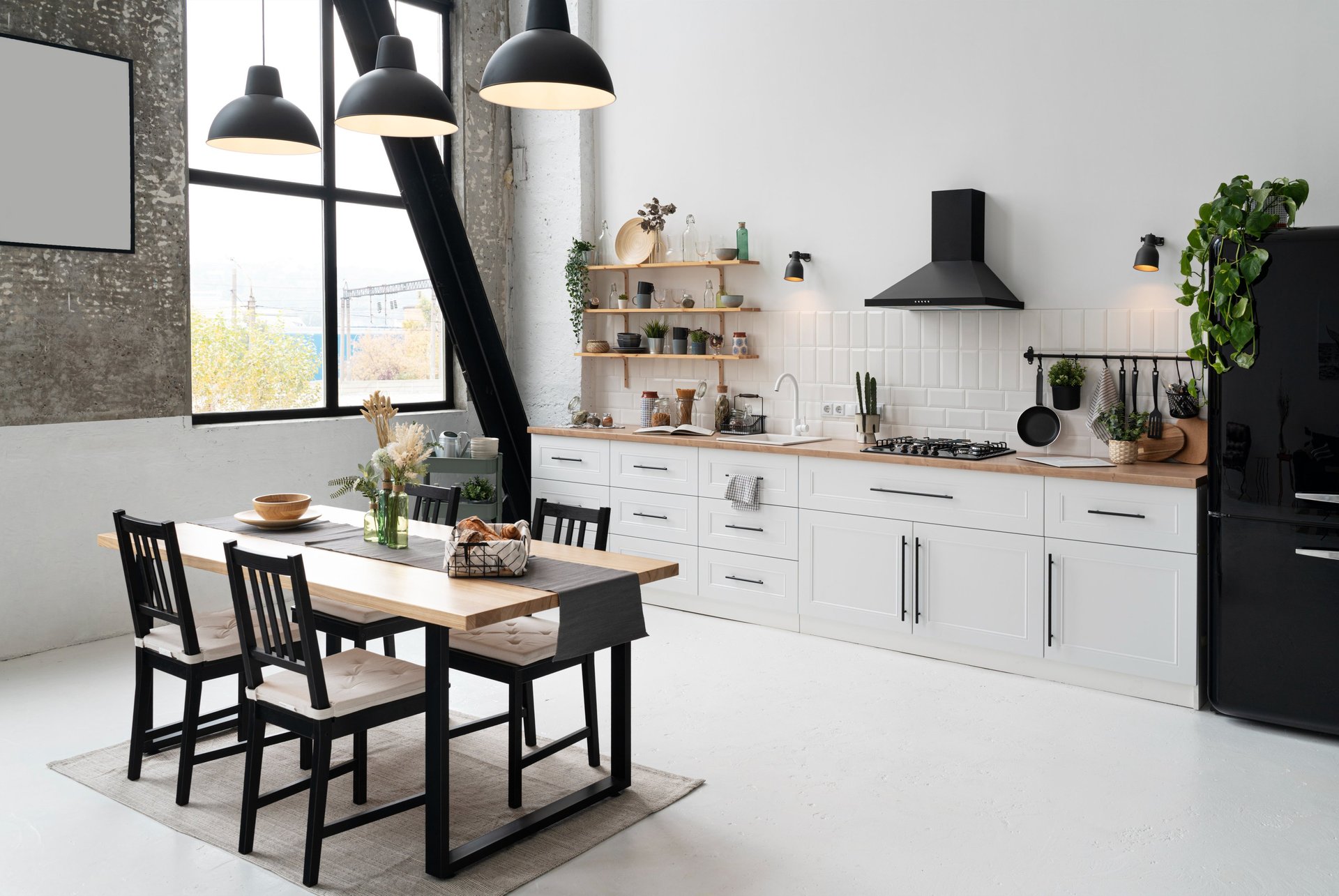
Homes in Hampstead often favour openness, reflecting a more relaxed and contemporary approach to home interior design. Rather than dividing spaces into multiple smaller rooms, layouts are designed to feel fluid and connected, allowing daily living to unfold more naturally. This openness not only enhances the sense of space but also supports modern lifestyles where cooking, dining, working, and socialising often happen within the same environment.
Design Features
• Combined kitchen and living areas
Bringing the kitchen and living space together creates a central hub of the home. It encourages interaction and makes the space feel more inclusive, whether for family living or entertaining guests. Kitchen islands or breakfast counters often act as subtle dividers while maintaining visual continuity.
• Large windows
Hampstead homes frequently incorporate expansive windows that frame views of greenery. These windows allow natural light to flood the space, reducing the need for artificial lighting during the day and enhancing the overall ambience.
• Seamless transitions
Consistent flooring, cohesive colour palettes, and minimal thresholds between spaces help create a smooth visual flow. This continuity ensures that the entire area feels unified rather than fragmented.
Functional Benefits
• Improved flow
Open layouts allow for easier movement between spaces, making the home feel more intuitive and less restrictive. This is especially beneficial for families and social settings.
• Better light distribution
With fewer walls blocking natural light, daylight can travel freely across the space, making interiors feel brighter, larger, and more inviting.
• Flexible usage
Open-plan spaces can adapt to different needs throughout the day. A dining table may double as a workspace, while a living area can easily transition into an entertainment zone. This flexibility is a key advantage in modern home interior design, particularly for evolving lifestyles.
Hampstead interiors reflect a unique balance of calm, comfort, and connection to nature. The emphasis is not on excess, but on creating spaces that feel effortless and liveable.
Through thoughtful home interior design, these homes are transformed into environments that are both modern and timeless - spaces that support everyday living while maintaining a quiet sense of elegance.
Compare Hampstead's relaxed layouts with Chelsea's townhouse interiors.
Let’s explore your vision together.
Reach us on WhatsApp for a free consultation.
Relaxed Luxury
Unlike more formal London neighbourhoods, Hampstead interiors embody a quieter, more effortless form of sophistication. Here, home interior design is less about grandeur and statement-making, and more about creating spaces that feel warm, inviting, and naturally elegant. The focus shifts from perfection to comfort - where every element is thoughtfully chosen but never overpowering.
Hampstead homes are designed to be lived in. They prioritise ease, softness, and a sense of calm, making them ideal for those who value a slower, more grounded lifestyle within the city.
What Defines Relaxed Luxury?
• Warm
Spaces are designed to feel comforting rather than stark. This is achieved through the use of natural materials, soft lighting, and earthy colour palettes that create a welcoming atmosphere.
• Inviting
Furniture arrangements encourage conversation and relaxation. Instead of rigid layouts, rooms feel open and approachable, making them ideal for both everyday living and informal gatherings.
• Understated
There is a deliberate restraint in design choices. Rather than bold statements, the emphasis is on subtle detailing, quality materials, and cohesive styling that stands the test of time.
Key Design Elements
• Soft furnishings
Plush sofas, upholstered chairs, and cushioned seating form the foundation of Hampstead interiors. Comfort is prioritised without compromising on aesthetics, often using high-quality fabrics that feel as good as they look.
• Layered textiles
Multiple layers of texture - such as wool throws, linen curtains, and textured rugs - add depth and warmth to the space. This layering creates a lived-in feel while enhancing visual interest.
• Neutral tones
A palette of warm whites, beiges, soft greys, and earthy hues creates a calming backdrop. These tones allow natural light to reflect gently across the room and provide flexibility for evolving décor over time.
Modern living in Hampstead - and across London - demands adaptability. Homes are no longer designed for single, fixed purposes. Instead, home interior design increasingly focuses on creating spaces that can evolve throughout the day, supporting work, relaxation, and personal interests within the same footprint.
Flexible spaces allow homeowners to maximise functionality without increasing square footage. This is particularly valuable in a city where space is limited but lifestyle expectations continue to expand.
Multi-Use Spaces
• Home offices
With remote and hybrid working becoming more common, dedicated work areas are essential. These can be integrated into living rooms, bedrooms, or even transitional spaces such as hallways, ensuring productivity without requiring a separate room.
• Guest rooms
Rather than maintaining a room that is rarely used, guest spaces are often designed to serve dual purposes - such as a study or lounge area that can easily convert into a bedroom when needed.
• Hobby areas
Spaces for reading, art, fitness, or other personal activities are increasingly incorporated into the home. These areas are designed to be flexible, allowing homeowners to pursue interests without disrupting the overall layout.
Hampstead interiors are deeply influenced by their natural surroundings, which is why home interior design in this area often incorporates materials and palettes that feel organic and timeless. Elements such as natural wood, stone finishes, soft textiles, and neutral colour schemes work together to create a space that feels grounded and harmonious rather than overly styled.
Natural wood-whether used in flooring, cabinetry, or furniture-adds warmth and authenticity to the space. It introduces subtle texture and depth while maintaining a sense of simplicity. Stone finishes, such as limestone countertops or textured feature walls, bring in an earthy, enduring quality that elevates the overall aesthetic without feeling excessive. These materials age beautifully, making them ideal for long-term living.
Soft textiles play an equally important role. Linen curtains, wool rugs, and cotton upholstery help soften the structure of a room, making it feel more inviting and comfortable. When layered thoughtfully, these materials create a tactile richness that enhances the sensory experience of the space.
Neutral colour palettes-ranging from warm whites and soft beiges to muted greys and earthy tones-act as a unifying foundation. They allow natural light to move freely through the home, making rooms feel brighter, larger, and more open. This is particularly effective in Hampstead homes, where large windows often frame views of greenery.
Key Benefits Explained
• Creates calming environments
The combination of natural materials and soft tones reduces visual noise, resulting in interiors that feel peaceful and restorative-ideal for unwinding from the pace of city life.
• Enhances natural light
Light-reflective surfaces and neutral palettes amplify daylight, making interiors feel airy and spacious throughout the day.
• Connects indoor and outdoor spaces
By mirroring the textures and tones found in nature, interiors feel like an extension of the outdoors, creating a seamless transition between interior living spaces and gardens or terraces.
Overall, this approach to home interior design in Hampstead is less about making a statement and more about creating a balanced, liveable environment that feels timeless, comfortable, and deeply connected to its surroundings.
Design Strategy
• Modular furniture
Furniture that can be rearranged or adapted plays a key role in flexible interiors. Examples include extendable dining tables, fold-out desks, and sectional sofas that can be reconfigured based on need.
• Movable partitions
Sliding doors, folding screens, or glass partitions allow spaces to be opened or enclosed as required. This creates privacy when needed while maintaining openness at other times.
• Integrated storage
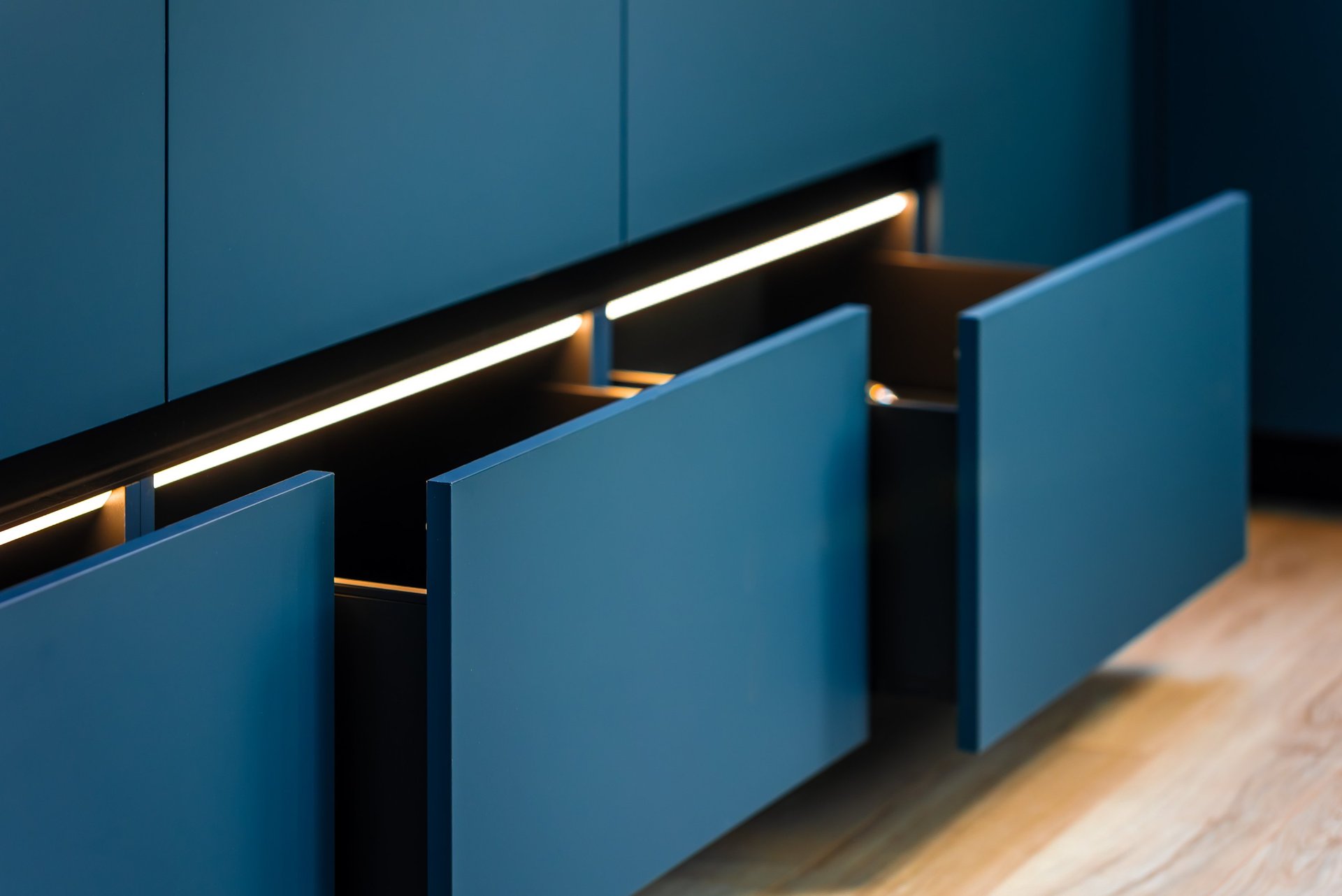
Smart storage solutions ensure that multi-use spaces remain organised. Built-in cabinets, hidden compartments, and multifunctional furniture help keep the space uncluttered and visually balanced.
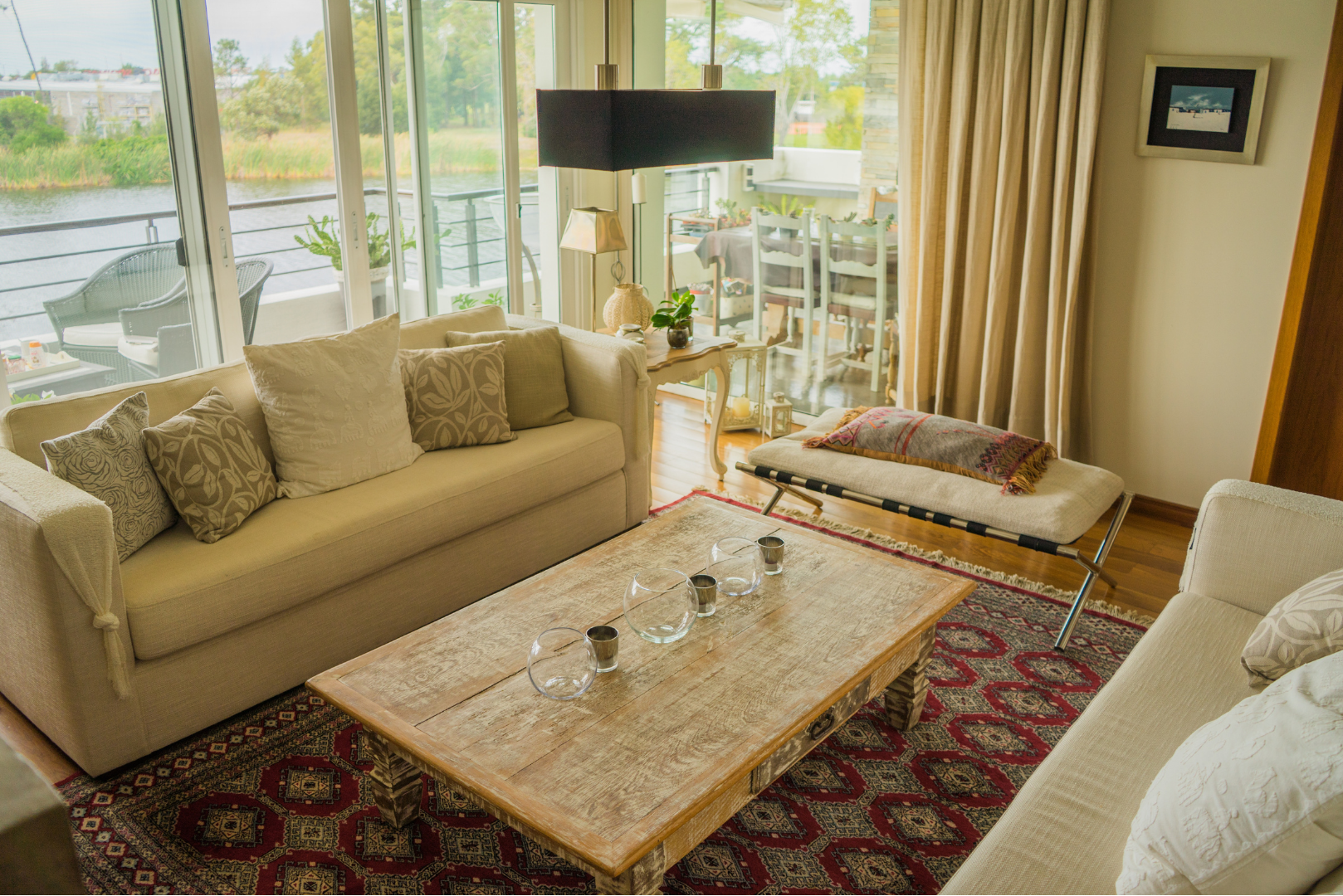
Lighting in Hampstead homes is designed to create a sense of warmth and ease rather than sharp brightness. In line with the area’s relaxed aesthetic, home interior design here focuses on soft, layered illumination that enhances comfort and atmosphere throughout the day.
Instead of relying on a single overhead source, lighting is distributed thoughtfully across the space to create depth and subtle variation. This approach ensures that rooms feel inviting in the evening while still supporting functionality during the day.
Key Lighting Elements
• Soft ambient lighting
General lighting is kept diffused and gentle, often achieved through concealed fixtures or shaded ceiling lights. This forms the base layer, ensuring the space is evenly lit without feeling harsh.
• Table lamps
Table and floor lamps add pockets of light, creating intimate zones within a room. They are often placed near seating areas, bedside tables, or reading corners to enhance usability and comfort.
• Warm-toned bulbs
Warm lighting temperatures help create a cosy and calming environment. Unlike cool white light, warm tones soften materials and colours, making the space feel more relaxed and lived-in.
Online Interior Design Advantage
Modern homeowners increasingly seek flexibility in how they approach home interior design, and this is where Evara’s online services offer a distinct advantage.
Evara’s online interior design services allow homeowners to:
• Access professional guidance
Clients benefit from expert design input without the need for constant on-site meetings, making the process efficient and accessible.
• Design at their own pace
Flexible timelines allow homeowners to implement designs in stages, adapting to their schedule and budget.
• Visualise outcomes before execution
With tools such as 3D renders and mood boards, clients can clearly understand how their space will look before making final decisions.
Nature as a Design Influence
Online Design Flexibility
Flexible Spaces
Experience seamless design from concept to completion.
Resources
Need Help?

Career
© 2026. All rights reserved.