
Home Interior Design in Chelsea: Elegant Living in One of London’s Most Prestigious Neighbourhoods
WORDS BY YOGITA SAWARTHIA
6/5/20269 min read
The Chelsea Aesthetic: Refined and Restrained
Chelsea represents one of London’s most refined residential landscapes, where quiet sophistication meets a rich artistic and architectural heritage. The neighbourhood is characterised by elegant townhouses, curated interiors, and a sense of timeless charm that sets it apart from more trend-driven areas. This makes it an ideal setting for elevated living, where design is expected to be both thoughtful and enduring.
Approaching home interior design in Chelsea is not about chasing fleeting trends or making bold statements. Instead, it is about crafting spaces that feel balanced, composed, and deeply intentional. Every element - from spatial layout and material selection to lighting and styling - is carefully considered to create an environment of understated luxury. The result is an interior that feels effortless yet refined, where sophistication is expressed through subtlety, precision, and attention to detail.
Lighting Strategy: Creating Atmosphere
• Abstract or contemporary art
These pieces complement neutral palettes and add a modern edge to traditional architectural settings.
• Ceramic or stone sculptures
Natural materials reinforce the understated luxury of Chelsea interiors while adding tactile interest.
• Minimal decorative objects
Small, carefully selected items - such as books, trays, or candles - are used sparingly to maintain a clean and cohesive look.
Online Interior Design for Chelsea Homes
Modern homeowners increasingly value flexibility, efficiency, and clarity when approaching their interiors. In a fast-paced environment like London, traditional design processes are evolving, and home interior design is becoming more accessible through digital solutions.
Evara offers online interior design services that cater specifically to this shift, allowing Chelsea residents to experience a structured yet convenient design journey without compromising on quality or attention to detail.
Key Benefits
• Receive tailored design concepts
Each project is approached with a personalised strategy, ensuring the design reflects the client’s lifestyle, preferences, and the unique character of their home.
• Visualise spaces through 3D renders
Detailed visualisations help homeowners clearly understand layouts, materials, and overall aesthetics before execution, reducing uncertainty and enhancing confidence in decision-making.
• Access curated product lists
Carefully selected furniture, finishes, and décor items streamline the sourcing process, saving time while maintaining a cohesive design vision.
• Implement designs at their own pace
Clients have the flexibility to execute the design in stages, adapting the process to their schedule and budget.
Chelsea interiors rarely rely on bold statements or trend-driven choices. Instead, they are defined by a sense of quiet confidence - where every element works together to create harmony, balance, and understated elegance. In this context, home interior design is about refinement rather than excess, allowing materials, proportions, and detailing to speak for themselves.
The overall aesthetic feels calm and composed, with a strong emphasis on cohesion. Rather than drawing attention to individual pieces, the design creates a seamless environment where each element complements the next.
Core Characteristics
• Neutral, tonal colour palettes
Soft, layered tones such as warm whites, beiges, taupes, and muted greys form the foundation of Chelsea interiors. These palettes create a calming backdrop and allow natural light to enhance the space, while also providing flexibility for subtle accents.
• Layered textures rather than heavy ornamentation
Instead of relying on decorative detailing, texture is used to add depth and interest. Materials such as linen, wool, stone, and wood are combined thoughtfully to create a rich yet restrained visual experience.
• Bespoke furniture tailored to space
Custom-designed furniture ensures that each piece fits perfectly within the proportions of the room. This not only maximises functionality but also contributes to a clean, cohesive aesthetic.
• Minimal yet impactful décor
Accessories are carefully curated rather than excessive. A single piece of artwork, a sculptural object, or a well-placed lamp can create a strong visual impact without overwhelming the space.
Example Layout
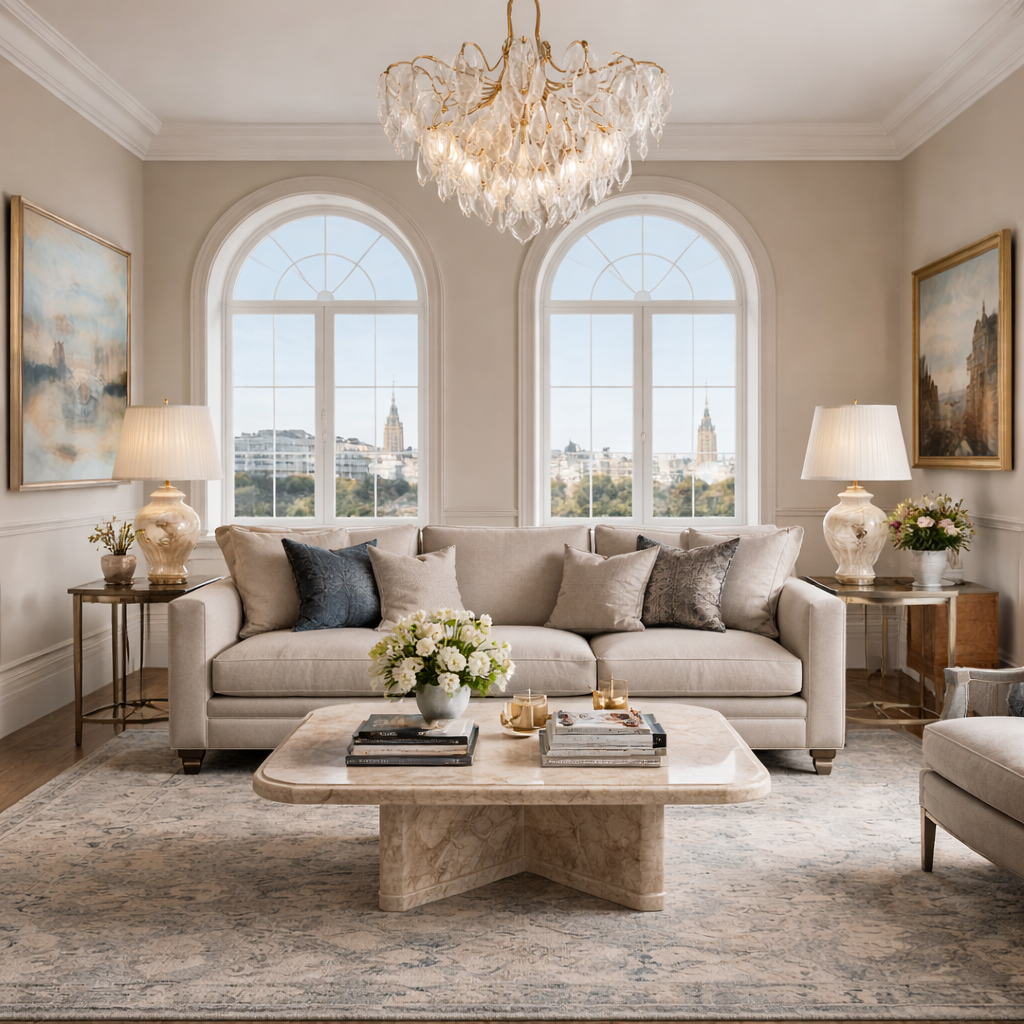
A Chelsea living room might include:
a soft beige or taupe sofa
a marble or travertine coffee table
a wool or silk-blend rug
sculptural lighting
curated artwork
Each element contributes to a calm, cohesive environment.
Chelsea interiors are defined by restraint and intention, where styling is carefully curated rather than layered excessively. In this context, home interior design focuses on quality over quantity, allowing each element to stand out without overwhelming the space. The aim is to create an environment that feels refined, balanced, and quietly expressive.
Rather than filling every surface, Chelsea homes embrace the idea that less can be more - with each piece contributing meaningfully to the overall composition.
Styling Principles
• Fewer, high-quality pieces
Instead of numerous decorative items, a select number of well-crafted pieces are chosen. This approach elevates the space and ensures that each element has visual significance.
• Emphasis on artwork
Art often becomes the focal point within a room. Whether large-scale or subtly placed, it adds personality and depth without disrupting the overall calm aesthetic.
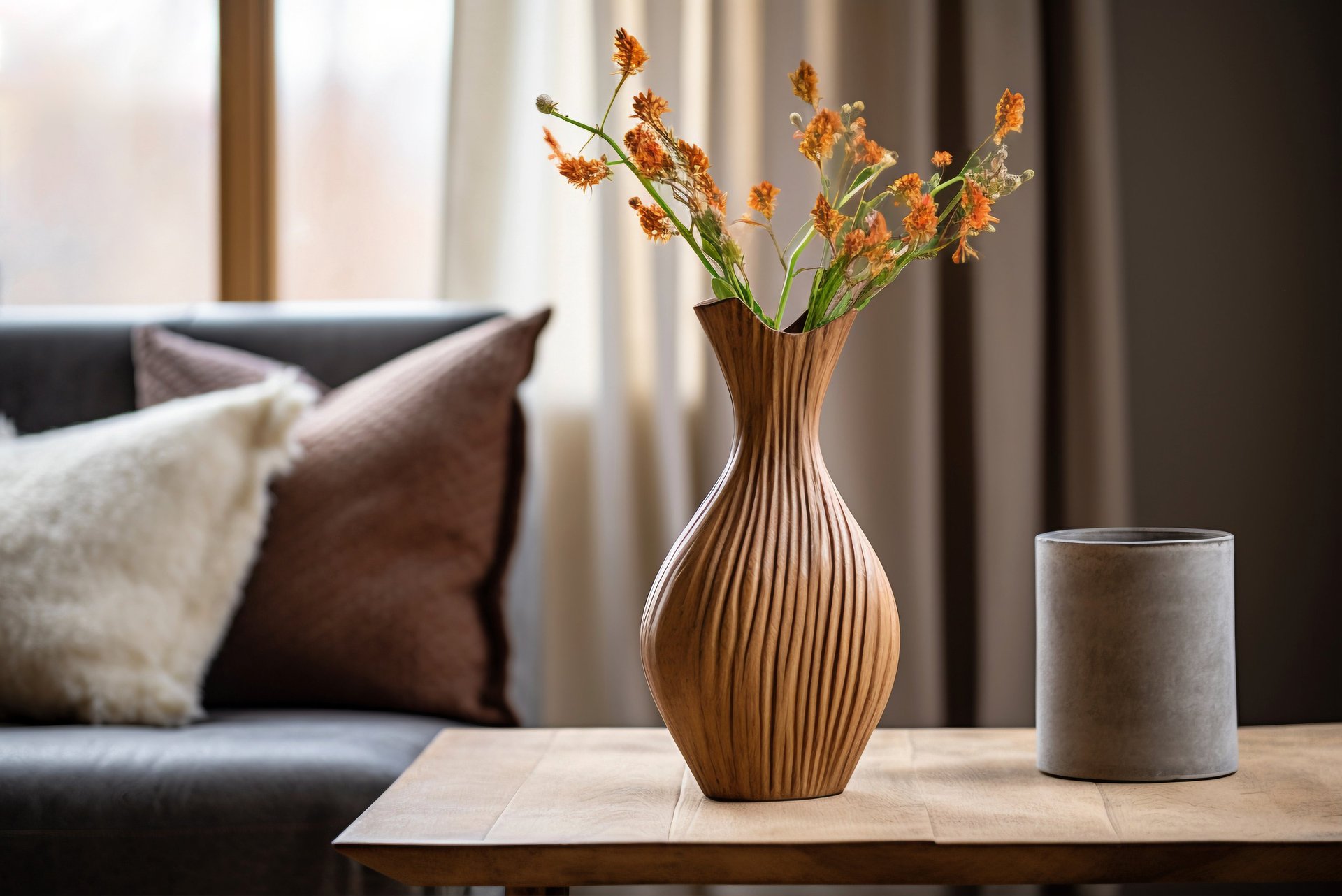
• Sculptural décor elements
Objects with form and structure - such as vases, bowls, or abstract pieces - introduce dimension and interest while maintaining simplicity.
• Balanced negative space
Leaving areas intentionally unfilled allows the room to breathe. Negative space enhances clarity and ensures that key elements stand out.
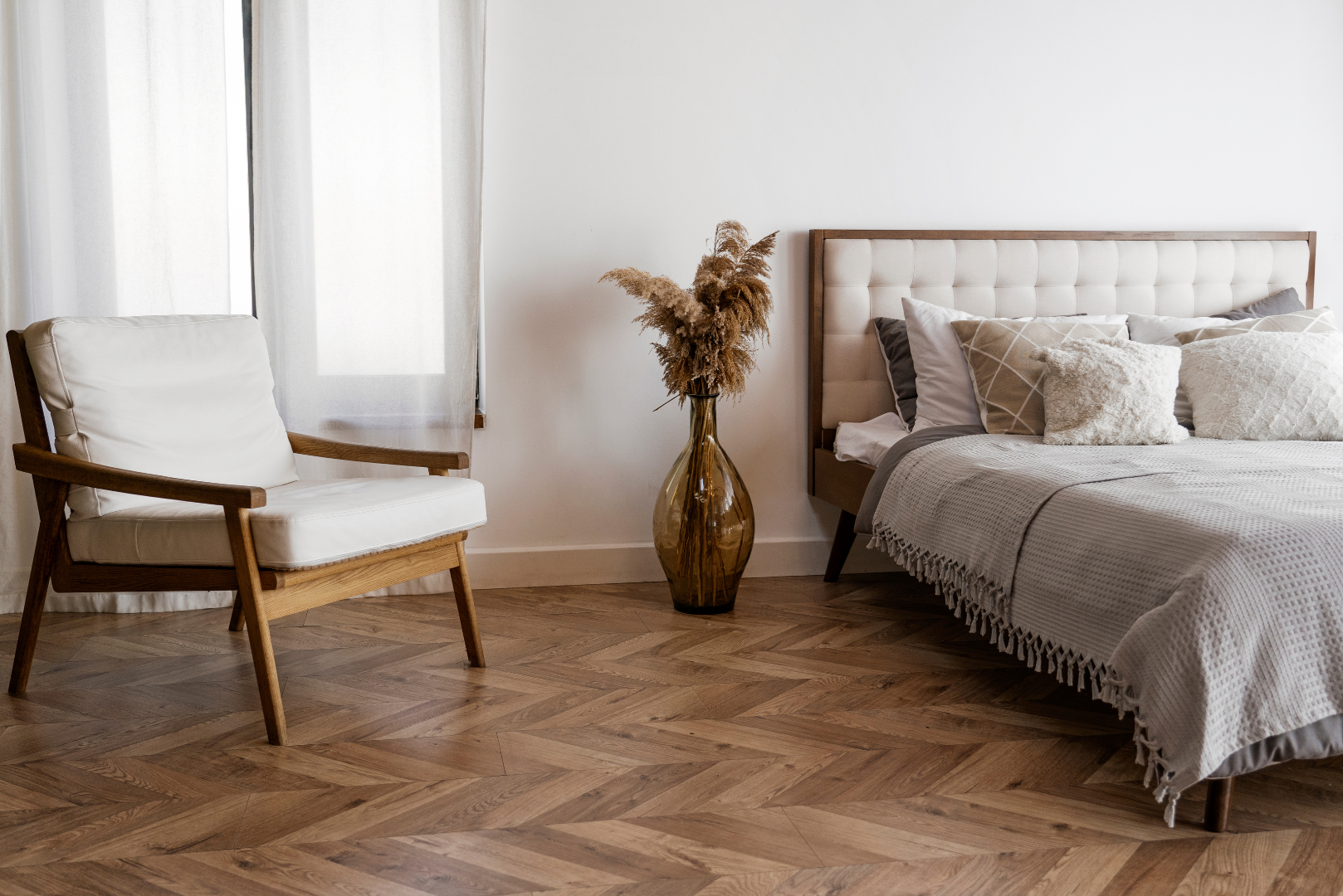
Common Styling Choices
Space Planning in Chelsea Townhouses
Townhouses in Chelsea often require a highly considered approach to layout planning. While rich in character, these homes can present spatial challenges due to their structure - including narrow widths, segmented rooms, and vertical living across multiple floors. As a result, home interior design must focus on improving flow, functionality, and visual continuity.
Key Spatial Challenges
• Narrow widths
Rooms may feel constrained horizontally, requiring careful furniture placement and layout decisions to avoid overcrowding.
• Segmented rooms
Traditional layouts often divide spaces into smaller sections, which can limit openness and natural flow.
• Vertical living across floors
With multiple storeys, movement between levels becomes an important aspect of how the home is experienced.
Effective Design Strategies
• Open-plan kitchen and dining areas
Removing unnecessary partitions helps create a more spacious and social environment, allowing light and movement to flow freely.
• Glass partitions to maintain light flow
Where separation is needed, glass panels provide division without blocking natural light, maintaining a sense of openness.
• Consistent flooring across levels
Using the same or similar flooring materials throughout the home creates visual continuity, making spaces feel larger and more connected.
• Integrated stairway lighting
Subtle lighting along staircases enhances safety while also adding a refined architectural feature that connects different levels.
Practical Enhancements
• Combining smaller rooms to create larger living areas
Merging adjacent rooms can significantly improve usability, especially for modern lifestyles that favour open, flexible spaces.
• Repositioning kitchens for better functionality
Relocating the kitchen to a more central or accessible area can transform how the home is used daily.
• Using mirrors to visually expand space
Strategically placed mirrors reflect light and create the illusion of depth, making narrow rooms feel more open.
Typical Features
• Georgian and Victorian façades
These façades define the visual identity of Chelsea streets, bringing symmetry, proportion, and a sense of heritage to each home.
• Tall sash windows allowing natural light
Large windows are a key advantage, flooding interiors with daylight and creating bright, airy spaces that can be enhanced through thoughtful design.
• Detailed cornicing and ceiling roses
Ornate plasterwork adds depth and character, often becoming a focal point that anchors the overall design scheme.
• Narrow yet elongated floor plans
Many homes extend lengthwise rather than width wise, requiring strategic layout planning to ensure smooth flow and usability.
• Multiple storeys requiring vertical flow
Townhouses typically span several levels, making connectivity between floors an important design consideration.
Opportunities and Constraints
These architectural features present both advantages and challenges in home interior design.
On one hand, they offer:
strong structural character
generous natural light
distinctive detailing that enhances visual appeal
On the other hand, they require careful handling to address:
limited width in certain rooms
the need for efficient space planning
maintaining continuity across multiple floors
Design Considerations
When working on home interior design in Chelsea, designers must:
preserve original architectural elements
introduce modern functionality without disruption
maintain proportion across narrow spaces
optimise light distribution
A sensitive approach ensures the home retains its identity while evolving for contemporary use.
Material Selection: Defining Luxury Through Detail
Materials are at the heart of Chelsea interiors, shaping not only how a space looks but also how it feels over time. In this context, home interior design is defined by restraint and precision - where the quality of materials takes precedence over excessive decoration. Every surface, finish, and texture contributes to a layered, refined environment that feels both timeless and intentional.
Preferred Materials
• Natural stone (marble, limestone, travertine)
These materials bring a sense of permanence and quiet luxury. Their subtle variations in tone and veining add character without overwhelming the space.
• Solid wood flooring (oak, walnut)
Wood introduces warmth and balance, grounding the interior while complementing both traditional and contemporary elements.
• Brushed brass or antique bronze finishes
Metal accents add a refined highlight. Their muted sheen works seamlessly within neutral palettes, enhancing rather than dominating the design.
• Linen, wool, and silk textiles
Soft furnishings in natural fabrics create comfort and tactile richness, adding depth through texture rather than bold colour or pattern.
Why These Materials Work
• They age gracefully
High-quality natural materials develop character over time, ensuring the interior remains elegant for years rather than feeling dated.
• They provide tactile richness
The combination of smooth stone, soft textiles, and warm wood creates a sensory experience that enhances everyday living.
• They create visual depth without excess
Subtle contrasts in texture and finish add interest while maintaining the calm, understated aesthetic typical of Chelsea homes.
Layering Approach
• Combine matte and polished surfaces
Balancing finishes prevents the space from feeling flat, introducing variation while maintaining cohesion.
• Balance soft textiles with solid finishes
Pairing materials such as stone and wood with fabric elements ensures comfort alongside structure.
• Use repetition for cohesion
Repeating key materials or tones across different areas of the home creates a unified and harmonious look.
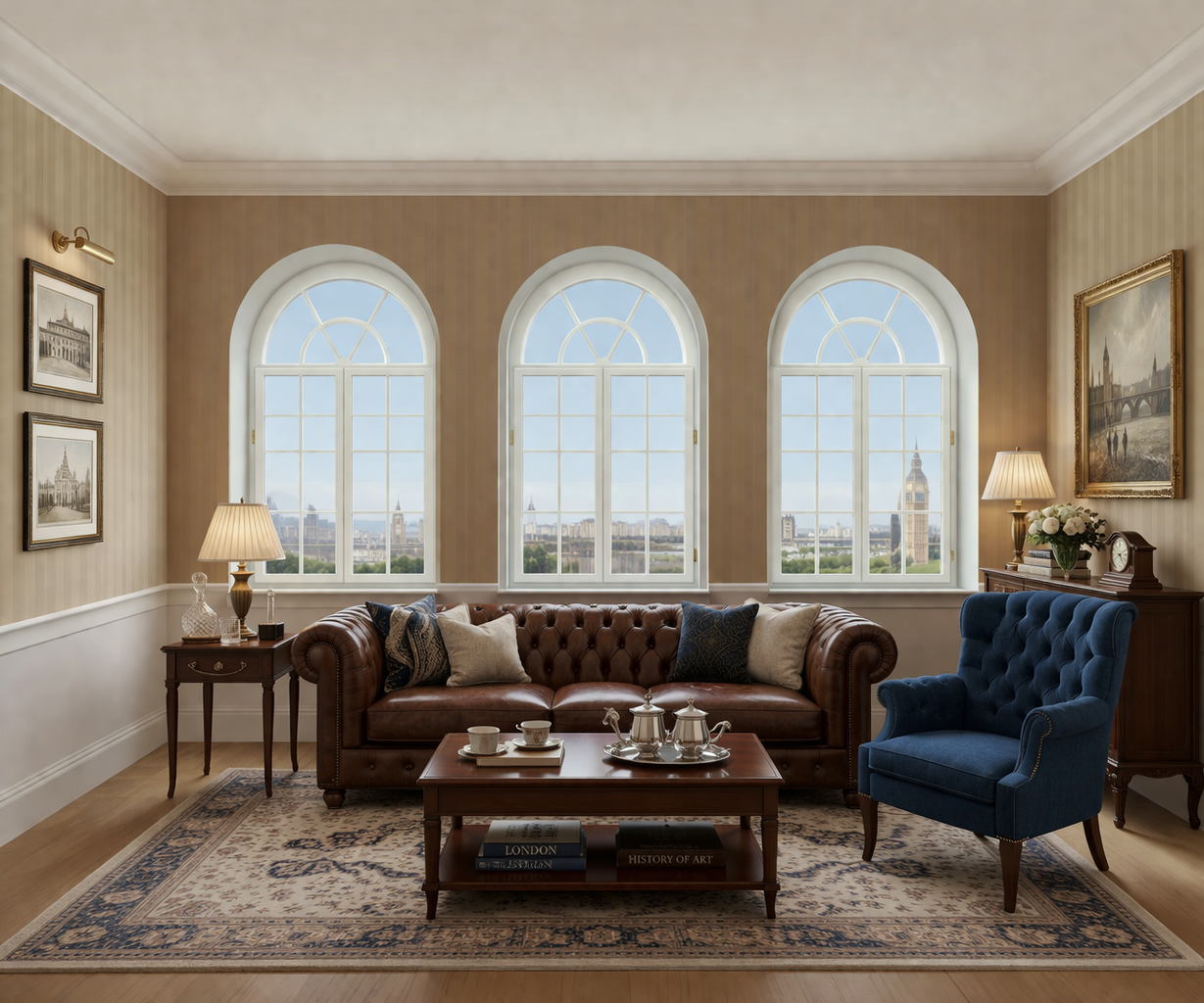
Lighting plays a transformative role in Chelsea interiors, where it must balance both functionality and atmosphere. Given the architectural character of many homes - often featuring deep layouts or limited natural light in certain areas - home interior design relies heavily on a well-planned lighting strategy to enhance both usability and ambience.
Rather than depending on a single source, lighting is layered to create depth, highlight features, and support different activities throughout the day.
Layered Lighting Plan
• Ambient lighting for overall brightness
This forms the foundation of the lighting scheme, providing general illumination across the space. It ensures rooms are evenly lit without feeling harsh or overly bright.
• Task lighting for specific functions
Focused lighting is essential for areas such as kitchens, workspaces, and reading zones. It improves functionality while maintaining visual comfort.
• Accent lighting to highlight features
Accent lighting is used to draw attention to architectural details, artwork, or textured surfaces, adding dimension and visual interest.
Practical Lighting Elements
• Wall sconces along staircases
These provide both safety and subtle elegance, guiding movement between floors while enhancing architectural features.
• Pendant lighting above dining areas
Pendant lights create a focal point and define the dining space, adding both style and functionality.
• Concealed LED strips in joinery
Integrated lighting within cabinetry or shelving adds a refined glow, highlighting materials and creating depth without visible fixtures.
• Floor lamps for soft illumination
Floor lamps introduce warmth and intimacy, particularly in living areas, helping to soften the overall lighting scheme.
The Impact of Lighting
Lighting has the ability to completely transform the perception of a space. In Chelsea homes - especially older properties where natural light may be limited - it can make rooms feel larger, brighter, and more inviting.
Storage Without Visual Clutter
In Chelsea homes, storage is not just a functional necessity - it is an integral part of the overall design language. Given the emphasis on clean, refined interiors, home interior design must ensure that storage solutions remain discreet, seamlessly blending into the space rather than drawing attention to themselves.
The goal is to maintain a sense of openness and order, even in homes with high storage requirements.
Smart Storage Solutions
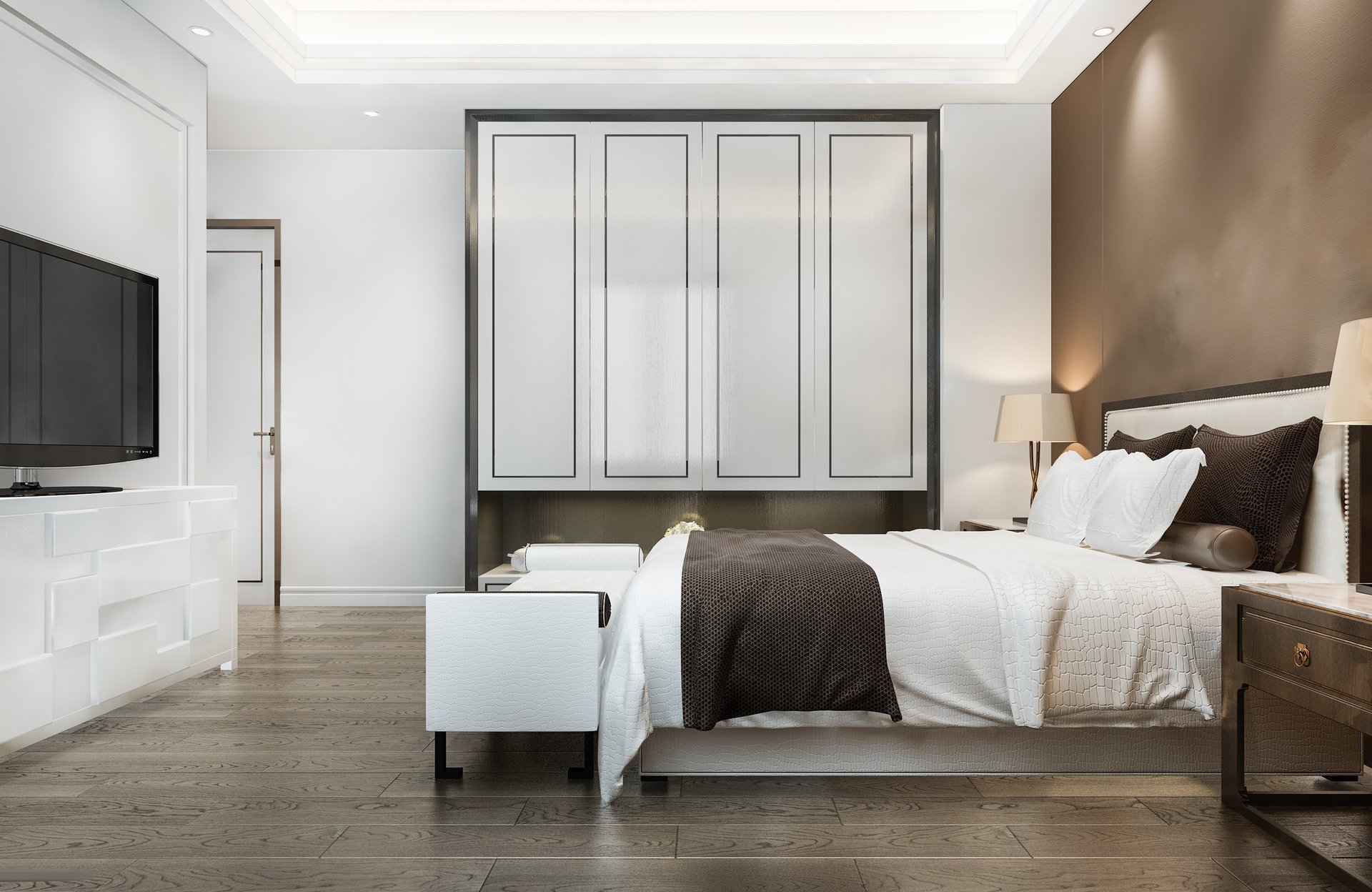
• Floor-to-ceiling wardrobes
Maximising vertical space allows for increased storage capacity while maintaining a streamlined appearance. These units often blend into the wall, reducing visual interruption.
• Built-in shelving units
Integrated shelves provide both storage and display opportunities, allowing homeowners to showcase curated décor while keeping the space organised.
• Under-stair storage compartments
Often overlooked, the space beneath staircases can be transformed into highly functional storage without affecting the overall layout.
• Hidden cabinetry
Concealed storage solutions - such as flush cabinets or panelled doors - keep belongings out of sight, preserving the clean aesthetic.
Design Integration
• Match storage finishes with wall tones
Using similar colours and finishes ensures that storage elements visually recede into the background, maintaining a cohesive look.
• Use handle-less joinery
Minimal hardware or push-to-open mechanisms contribute to a sleek, uninterrupted surface.
• Maintain clean lines
Simple, structured forms help storage blend effortlessly into the architectural framework of the home.
The Architectural Character of Chelsea Homes
Chelsea’s residential architecture is deeply rooted in history, yet it offers remarkable flexibility for modern living. The area’s homes reflect a timeless elegance, shaped by classical design principles while still allowing room for contemporary adaptation. This balance makes home interior design in Chelsea both inspiring and nuanced, requiring a careful understanding of the property’s original character.
A Modern Approach to Design
This model combines the depth of professional home interior design with the convenience of remote access. It allows homeowners to stay involved in the process while benefiting from expert guidance, making it particularly suited to Chelsea’s discerning and time-conscious residents.
Conclusion
Chelsea interiors are defined by timeless elegance and thoughtful restraint. They are not shaped by passing trends, but by a careful balance of proportion, materiality, and detail.
Well-executed home interior design transforms Chelsea properties into spaces that feel composed, refined, and deeply liveable - where every element serves a purpose, and the overall experience is one of quiet, enduring luxury.
For a complete London-wide perspective, revisit:
Home Interior Design in London: A Complete Guide to Designing Elegant Living Spaces
Discover our range of interior design services.
Art, Styling, and Personal Expression
Experience seamless design from concept to completion.
Resources
Need Help?

Career
© 2026. All rights reserved.