
Interior Design Trends Defining London Homes This Year
WORDS BY YOGITA SAWARTHIA
2/25/20264 min read
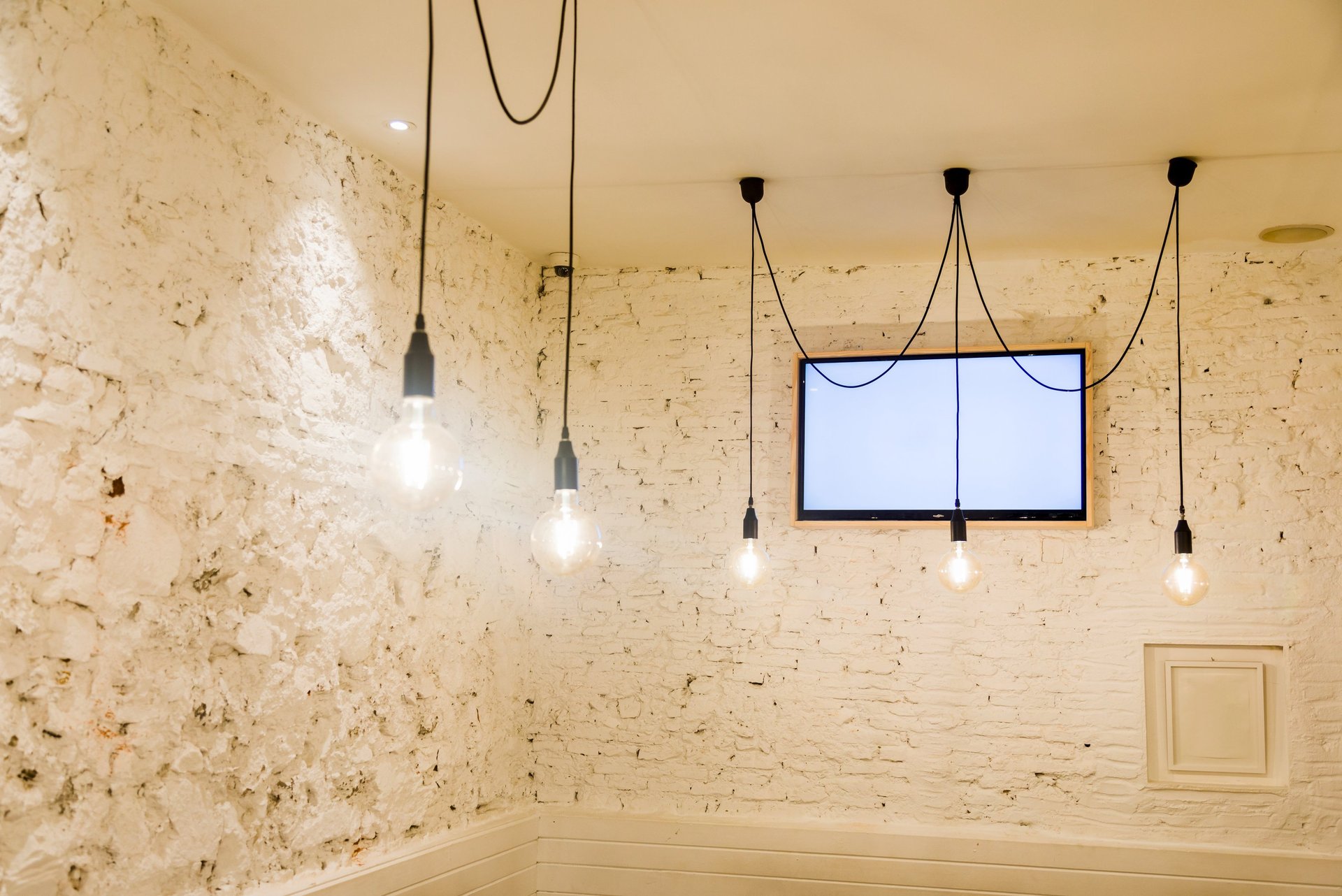
2. Architectural Lighting as a Design Feature
London has never been a city that follows trends without interpretation. It absorbs global influences, refines them through architectural context, and expresses them in a way that feels grounded rather than theatrical.
Interior design trends in the capital are therefore less about fashion and more about evolution. They respond to how Londoners live - in period townhouses, compact apartments, riverside developments, and converted industrial spaces.
Below, we explore the defining design movements currently shaping interiors across London.
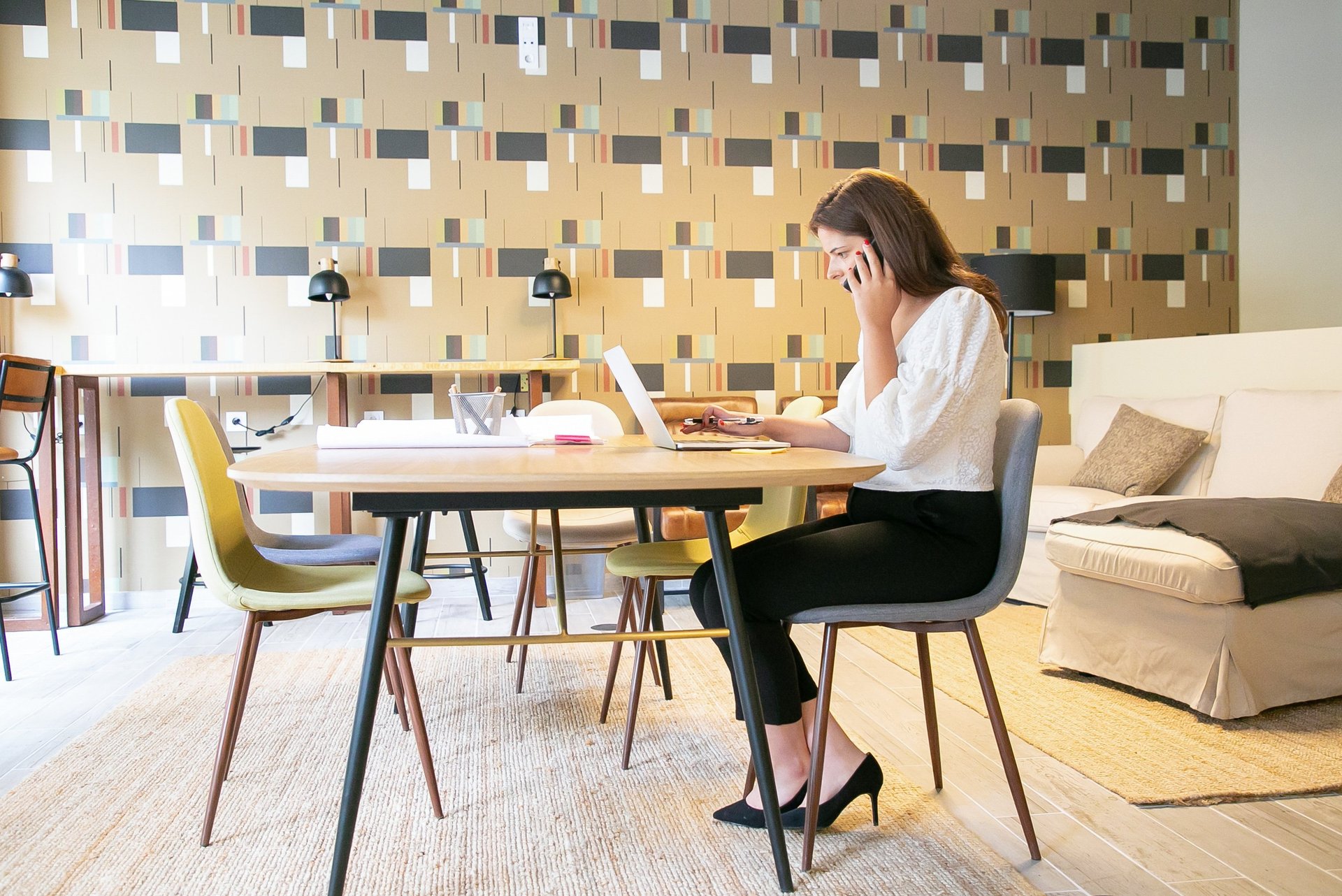
5. Flexible Living Spaces
London’s architectural fabric demands balance.
Rather than stripping period properties of character, current trends embrace contrast:
Contemporary furniture against original cornicing
Modern lighting within traditional rooms
Minimalist kitchens inserted into Victorian terraces
This juxtaposition respects history while introducing modern clarity.
An experienced interior design company in London understands how to navigate heritage sensitivity - preserving original features while upgrading spatial performance.
The result is layered sophistication rather than thematic imitation.
Lighting has moved from functional necessity to architectural statement.
Contemporary London interiors now incorporate:
Integrated LED ceiling lines
Sculptural pendant lighting
Wall washers highlighting textured finishes
Concealed cove lighting
Dimmer-controlled zoning
In compact properties especially, layered lighting expands perceived space.
Lighting strategy now considers:
Natural light orientation
Ceiling height
Material reflectivity
Time-of-day usage
Rather than relying on a single central fixture, designers build layered lighting narratives - transforming atmosphere from morning productivity to evening calm.
A knowledgeable interior design company in London will integrate lighting early in the design phase, coordinating with electrical layouts before plasterwork begins.
Current London preferences include:
Honed marble with subtle veining
Travertine coffee tables
Textured limestone flooring
Quartzite kitchen islands
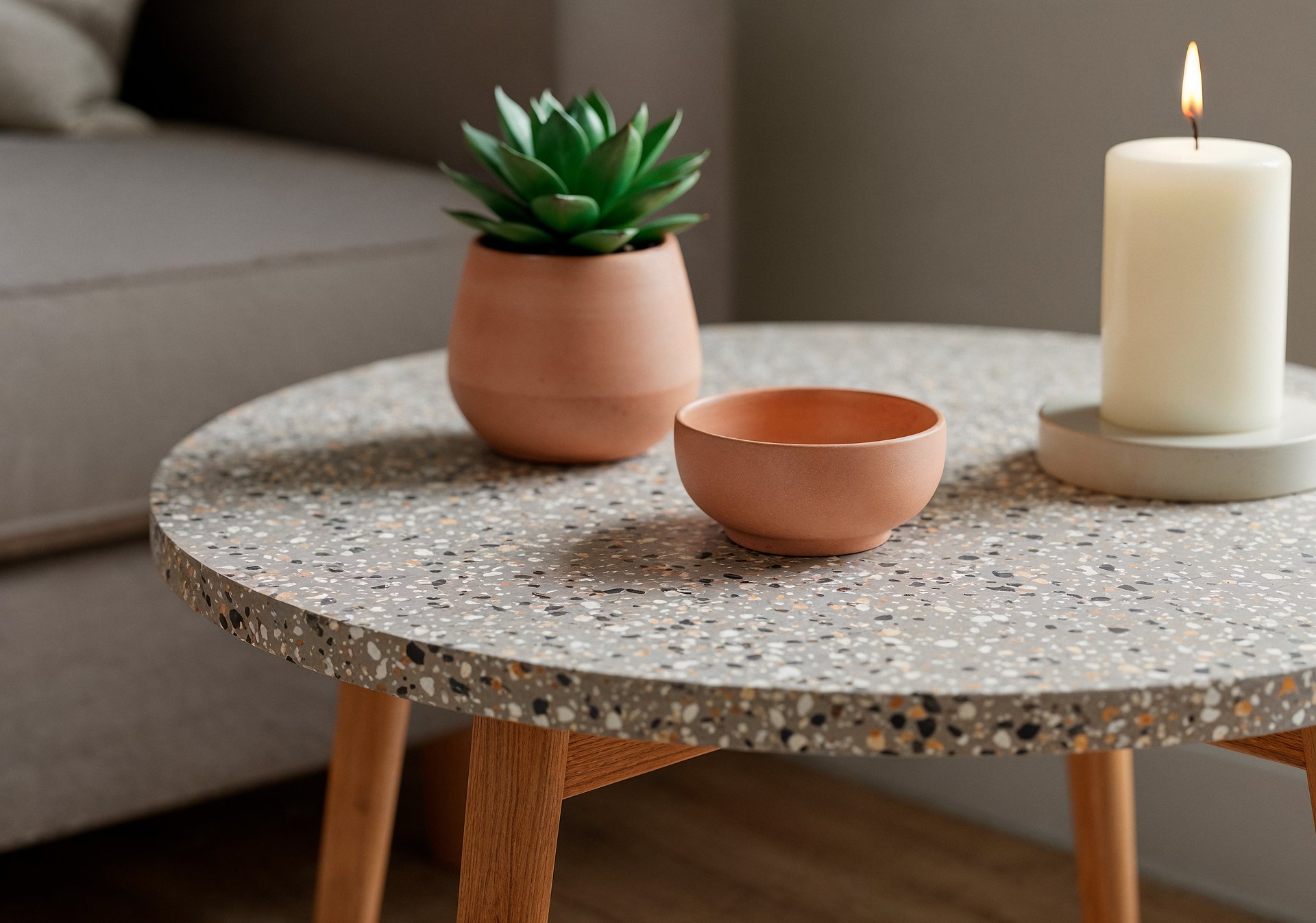
Unlike high-gloss finishes of previous decades, modern stone applications favour matte textures and organic expression.
These materials ground contemporary spaces, adding permanence and architectural weight.
When used correctly, statement stone elevates interiors without overwhelming them.
7. Heritage Meets Contemporary
3. Bespoke Joinery and Integrated Storage
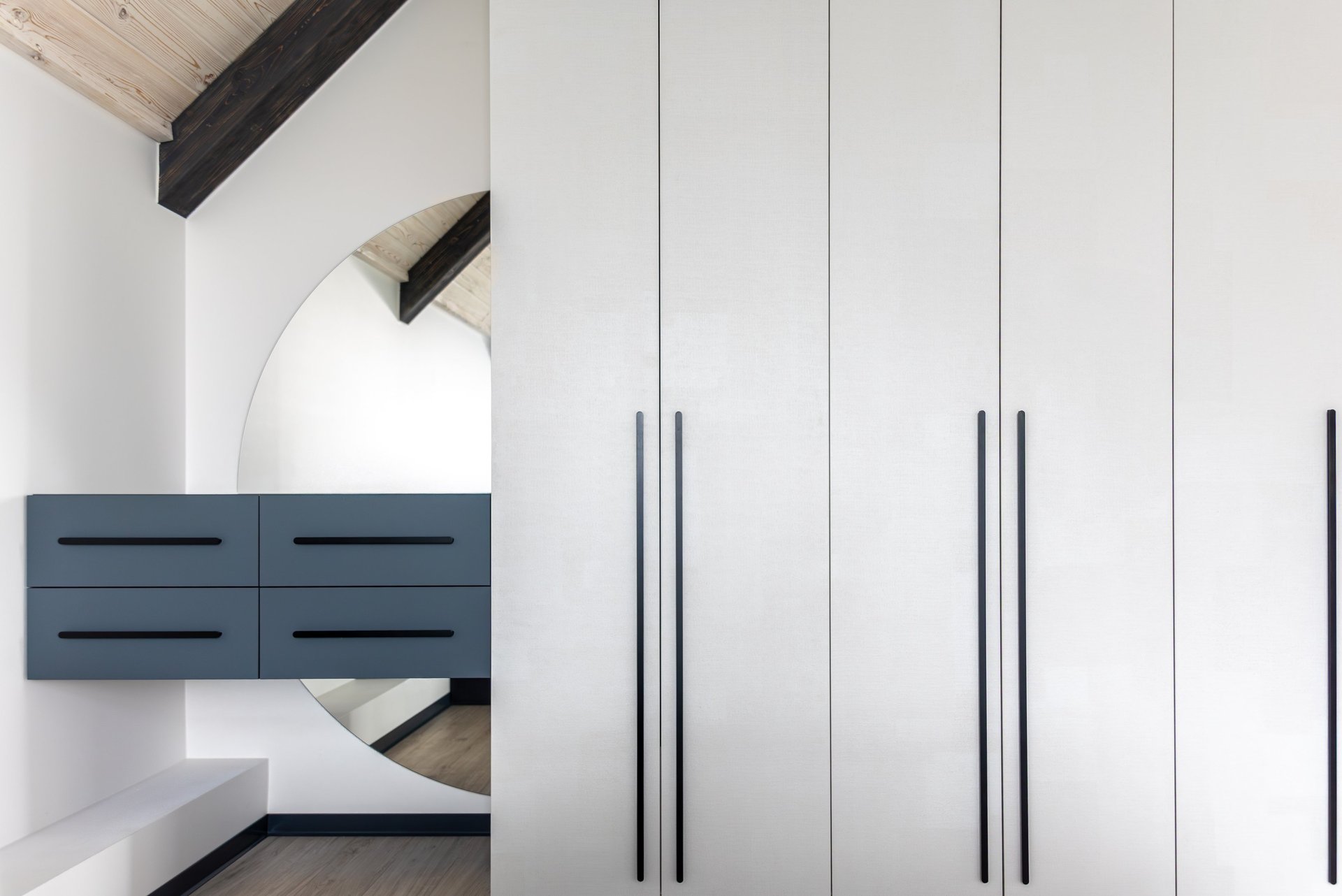
Space in London is rarely abundant. As a result, storage innovation has become one of the city’s defining design priorities.
Trending approaches include:
Floor-to-ceiling wardrobes with concealed handles
Integrated media walls with hidden cable management
Window-seat storage
Under-stair cabinetry
Kitchen joinery that blends seamlessly into living areas
Rather than treating storage as an afterthought, modern London design integrates it into architectural form.
Bespoke joinery achieves:
Visual calm
Reduced clutter
Enhanced property value
Greater functionality in compact spaces
This is particularly impactful in Victorian and Edwardian homes, where original layouts may lack contemporary storage expectations.
Professional guidance ensures bespoke elements complement - rather than overwhelm - the room’s proportions.
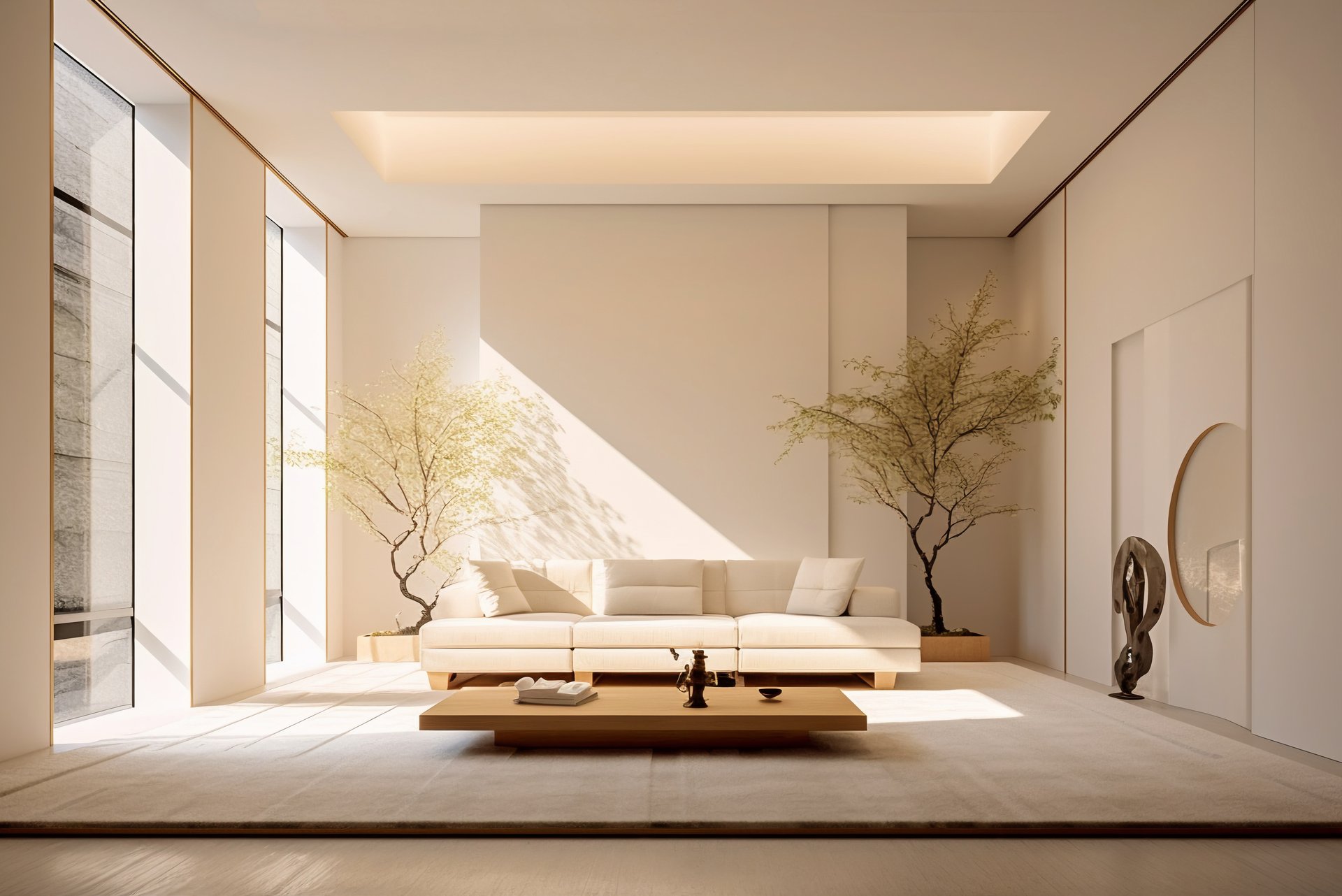
Warm minimalism introduces:
Cream and taupe foundations
Natural oak and walnut finishes
Textured plaster walls
Bouclé and linen upholstery
Subtle bronze and brushed brass accents
The result is restrained yet inviting.
In many London apartments - particularly those with expansive glazing - this shift reduces the starkness that can accompany modern architecture. Texture becomes central. Light is diffused through fabric and finish rather than reflected off hard surfaces.
An experienced interior design company in London understands how to layer these elements without losing clarity. Warm minimalism is not cluttered - it is curated softness.
4. Sustainable and Responsible Material Selection
Sustainability is no longer a niche request in London interiors - it is increasingly a baseline expectation.
Homeowners now prioritise:
FSC-certified timbers
Recycled stone composites
Low-VOC paints
Energy-efficient lighting systems
Durable upholstery fabrics
This shift reflects both environmental awareness and long-term thinking. Materials are selected not only for beauty, but for longevity.
London’s climate and urban conditions also influence choices. Durable finishes that withstand humidity variations and daily wear are favoured over delicate, trend-driven surfaces.
A forward-thinking interior design company in London incorporates sustainability at specification stage - balancing environmental considerations with refined aesthetics.
Post-pandemic lifestyle shifts continue to influence London design.
Homes now accommodate:
Hybrid working
Multi-purpose dining areas
Home wellness zones
Integrated technology
Rather than dedicating entire rooms to singular functions, designers create adaptable spaces.
Examples include:
Dining tables doubling as workspace
Sliding partitions for acoustic separation
Concealed office desks within joinery
Modular seating arrangements
In compact flats, this flexibility becomes essential.
Design today is less about static layout and more about fluid functionality.
6. Statement Stone and Natural Materials
Stone has re-emerged as a defining luxury element.
1. Warm Minimalism: Softening the Modern Interior
For years, minimalism in London leaned toward cool palettes - sharp whites, grey tones, and restrained detailing. Today, that aesthetic has softened.
8. Neutral Palettes with Depth
While bold colour remains present in select projects, many London interiors now favour tonal layering.
Popular schemes include:
Mushroom and sand variations
Warm greys paired with walnut
Soft greens inspired by urban parks
Deep navy accents for contrast
These palettes age gracefully. They allow furniture and artwork to evolve without requiring structural redesign.
Design longevity has become a defining value.
The Role of Professional Interpretation
Trends alone do not guarantee successful interiors.
Without contextual interpretation, even sophisticated elements can feel misplaced.
A qualified interior design company in London evaluates:
Architectural proportions
Natural light exposure
Lifestyle patterns
Budget allocation
Long-term adaptability
Trends are filtered through these considerations - ensuring coherence rather than novelty.
Online design services, such as those offered by Evara, allow London homeowners to access professional trend interpretation digitally - particularly useful for apartment refreshes or room-by-room transformations.
The objective is not to replicate magazine imagery, but to adapt inspiration intelligently.
Why Trends Must Serve Architecture
London’s diversity of property types means that no single aesthetic fits universally.
A riverside penthouse may support minimalist stone expanses, while a Georgian townhouse benefits from layered textures and classical references.
Design success emerges when:
Trends enhance architecture
Materials align with light quality
Furniture scale suits room proportions
Storage solutions integrate discreetly
This contextual discipline distinguishes enduring interiors from fleeting ones.
Conclusion
Interior design trends in London reflect a broader shift toward intentionality. Warmth replaces austerity. Function complements beauty. Sustainability aligns with luxury.
Yet trends are tools - not destinations.
The most successful London homes are those shaped by structured expertise, architectural understanding, and thoughtful interpretation.
For a comprehensive exploration of how professional firms approach design strategy across the capital, revisit:
Interior Design Company London: A Definitive Guide to Designing Exceptional Homes in the Capital.
Design evolves. Architecture remains. The intersection of both defines truly exceptional interiors.
Ready to Start Your Design Journey?
Let’s explore your vision together.
Reach us on WhatsApp for a free consultation.
Experience seamless design from concept to completion.
Resources
Need Help?

Career
© 2026. All rights reserved.